

















OFF GRID
Off-grid equipment keeps the things that matter running when the power does not: inverters, batteries, chargers, solar panels and the lights and plugs that go with them. Sizing starts with the load in watts and how long it has to run.
45 products listed
Ask on WhatsApp
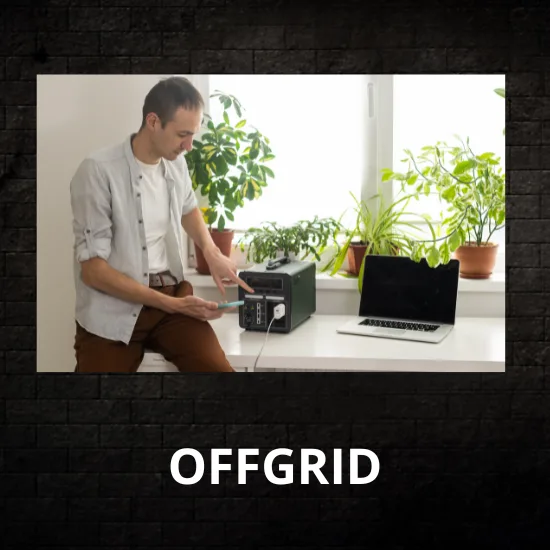
OFF GRID buying guide
Back up the security system before the house
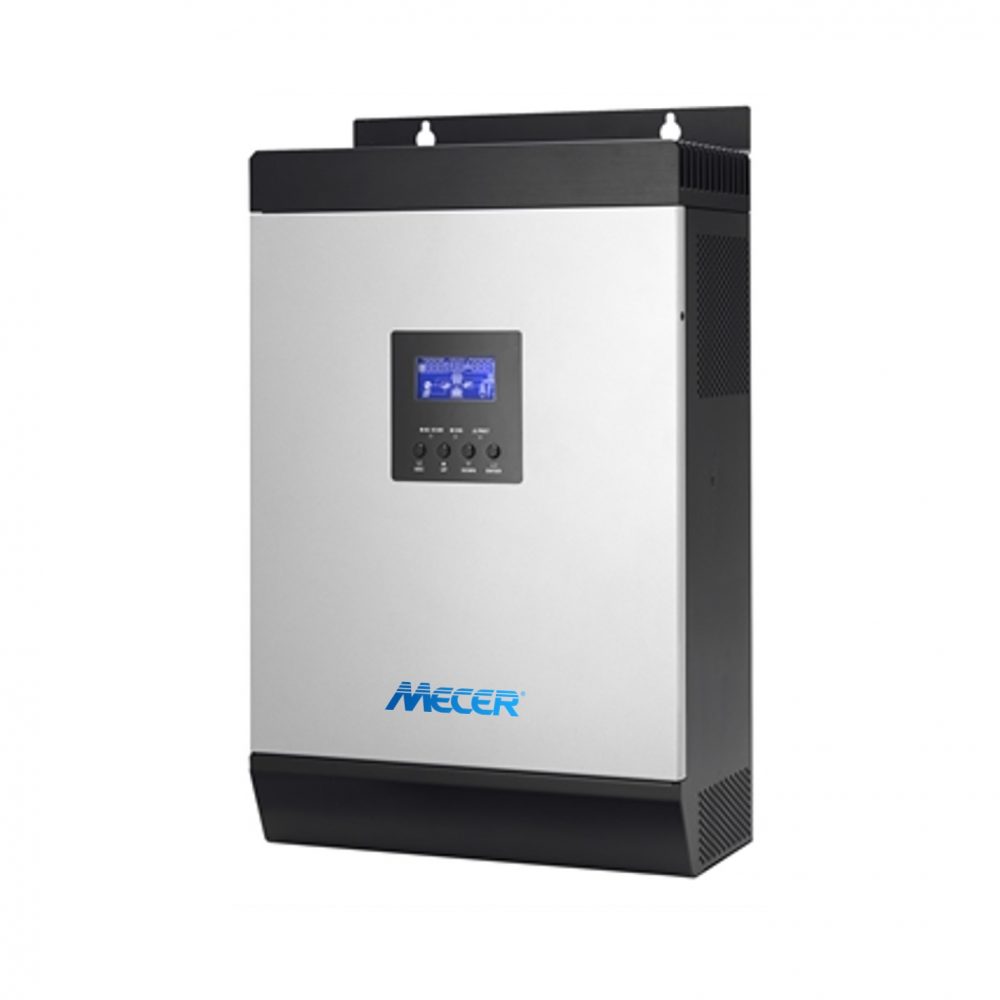
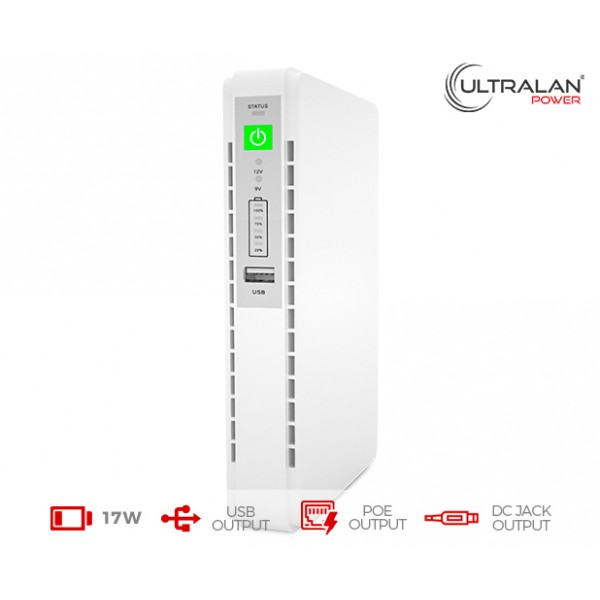
An inverter big enough to run a household is a different purchase from one that keeps a security system alive. The second is far cheaper and, during load shedding, does more: the recorder, the network switch, the router, the alarm panel and the gate motor draw very little between them but are exactly what stops working when the power goes.
Size on watts and hours, in that order
Add up the continuous draw of what must stay on, then decide how many hours it must survive. Those two numbers give you the inverter rating and the battery capacity. Sizing on the inverter alone is the common mistake: a large inverter with a small battery still goes dark.
Lithium or lead acid
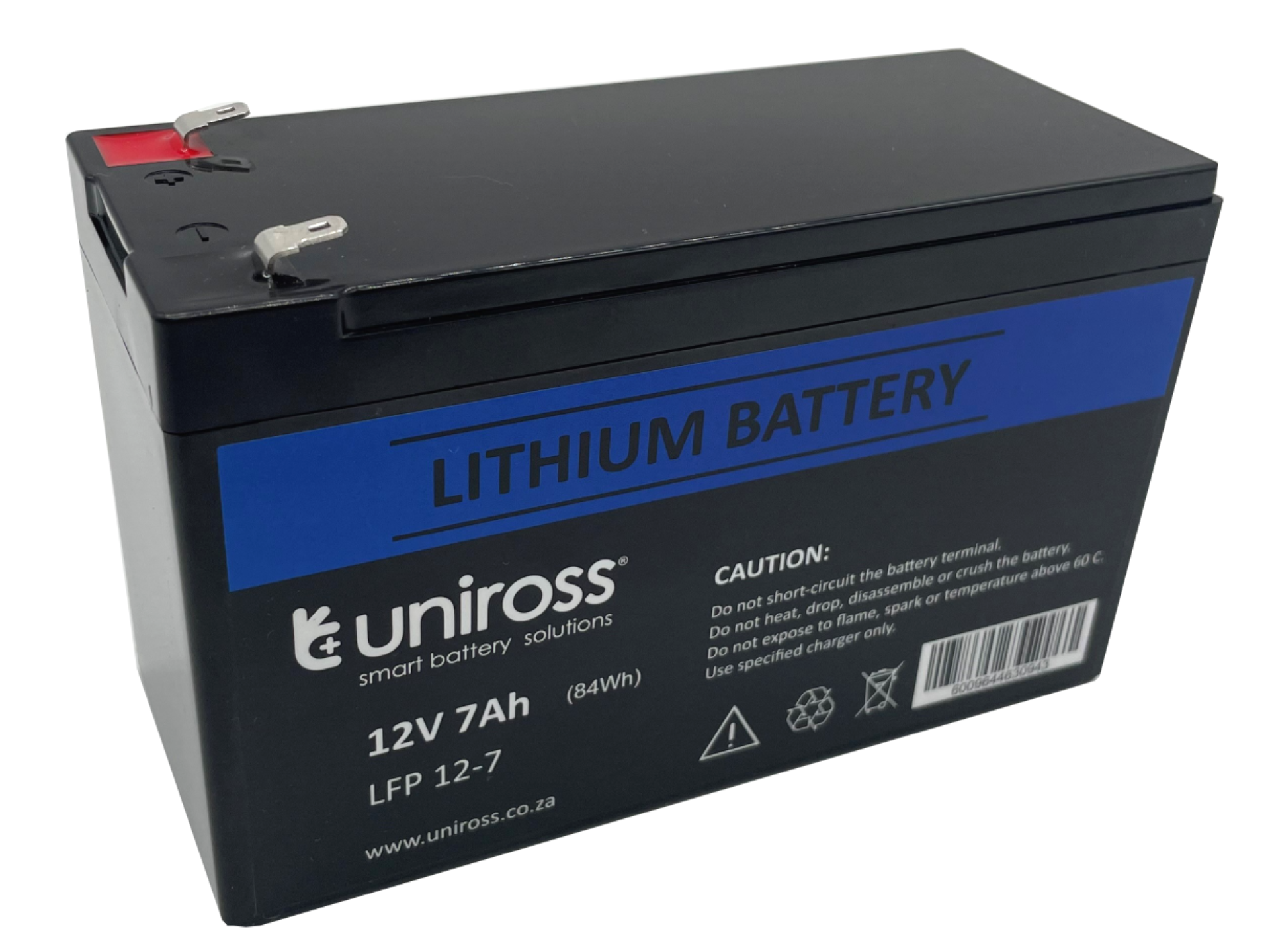
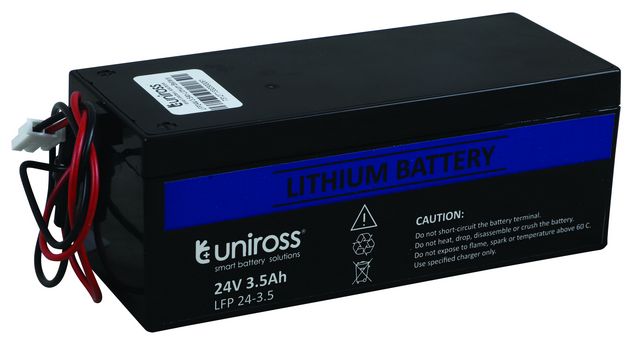
Lead acid is cheaper up front and tolerates a shallow discharge cycle. Lithium costs more, weighs less, takes deeper discharges and lasts substantially longer in a load shedding pattern of daily cycles. Over four years of two cycles a day, lithium usually works out cheaper per cycle.
Solar changes the arithmetic
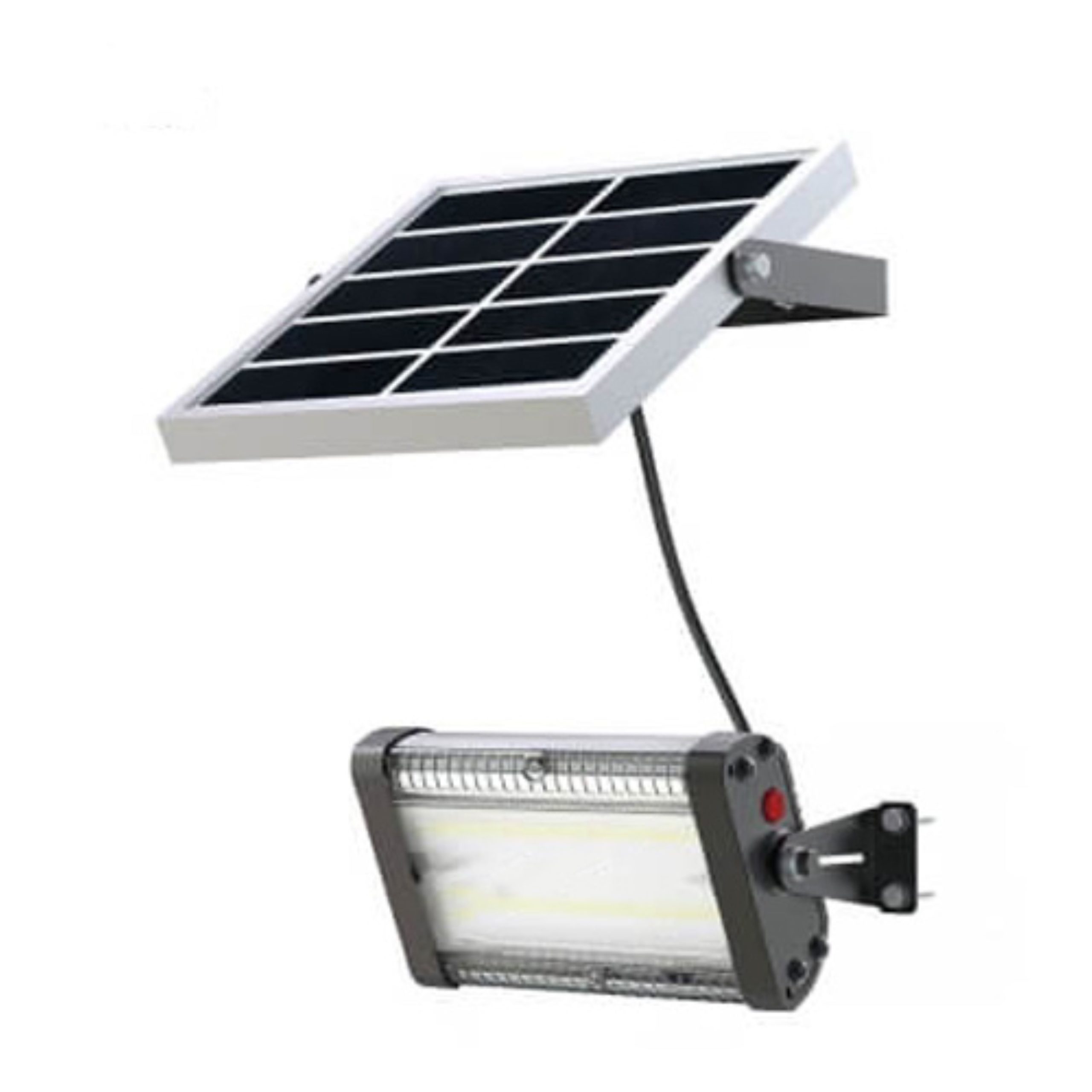
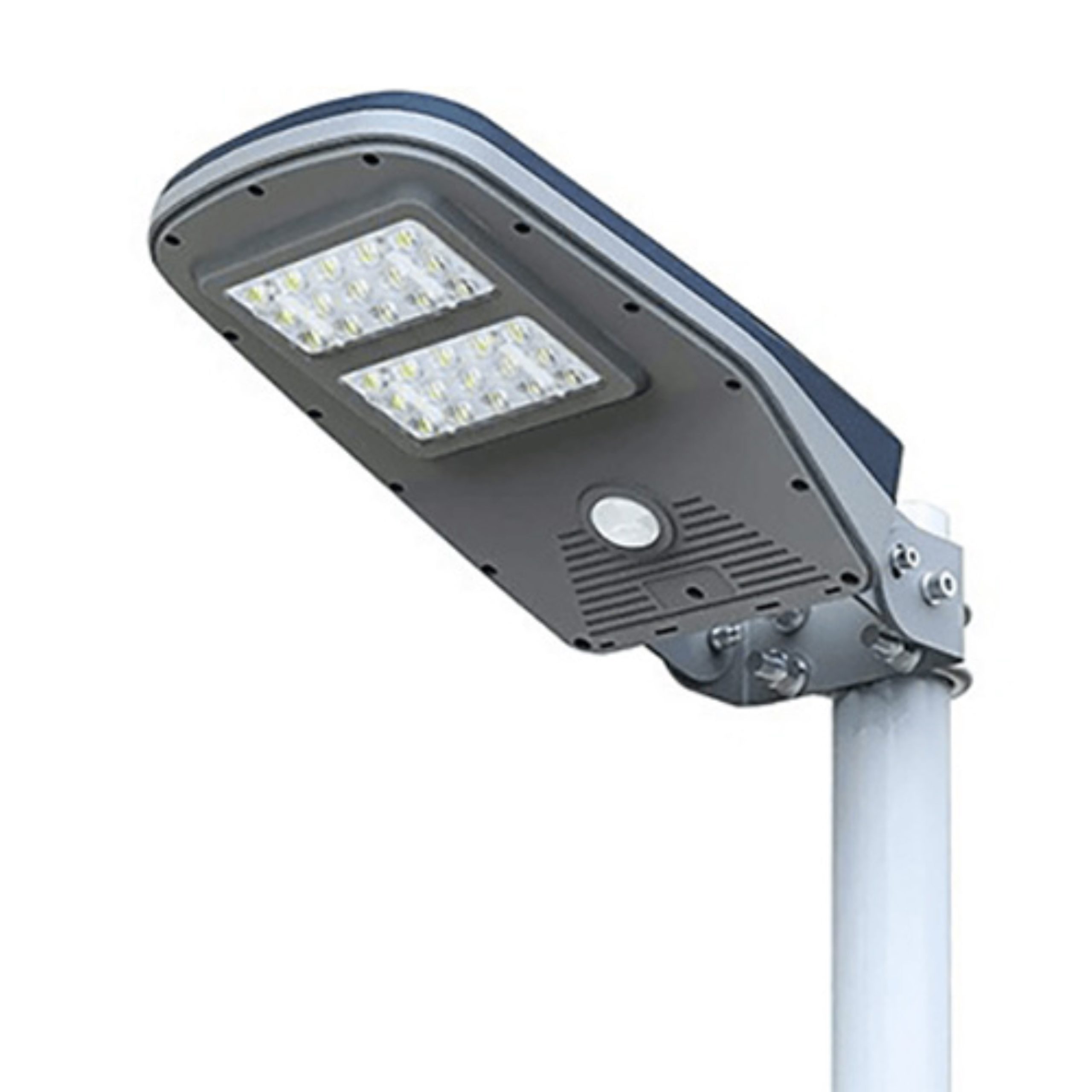
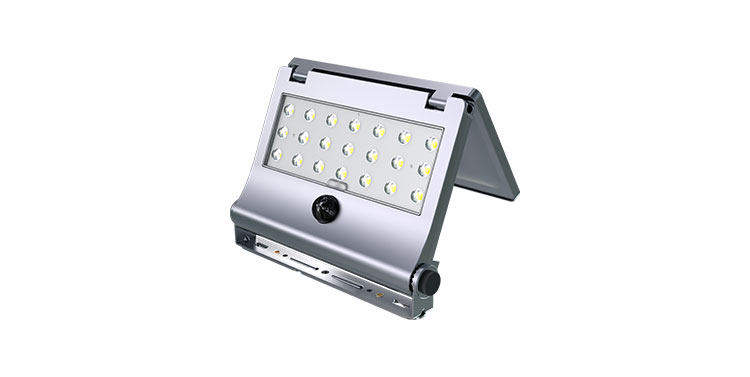
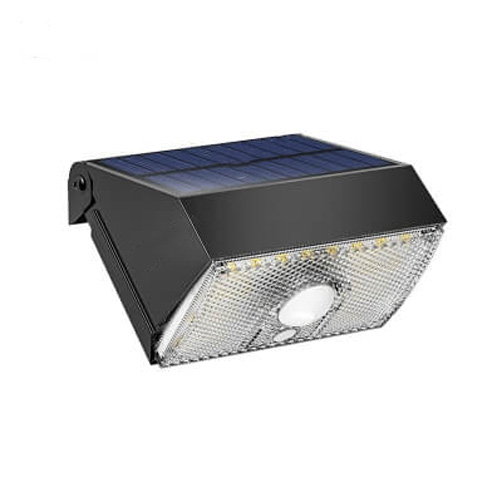
Panels turn a backup system into one that also reduces the bill, and they keep a remote gate or an outbuilding running without trenching power to it. Panel sizing depends on the daily energy used and on how much sun the roof actually gets, not on the roof's total area.
Do not forget the small things
Surge protection, the right cable size and a correctly rated changeover are what separate a tidy install from one that fails at the worst moment. They cost a fraction of the batteries.
OFF GRID questions
What size inverter do I need? +
Add up the watts of everything you want to run at once, then allow headroom for start-up surge on anything with a motor or compressor. Router, alarm panel and a few lights sit under 300W. Add a television and a fridge and you are past 1kW.
Lithium or lead-acid batteries? +
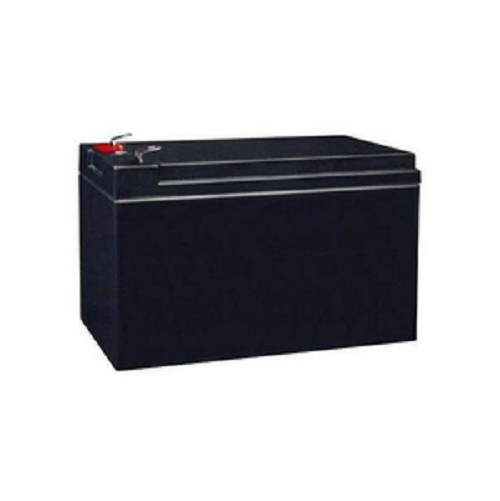
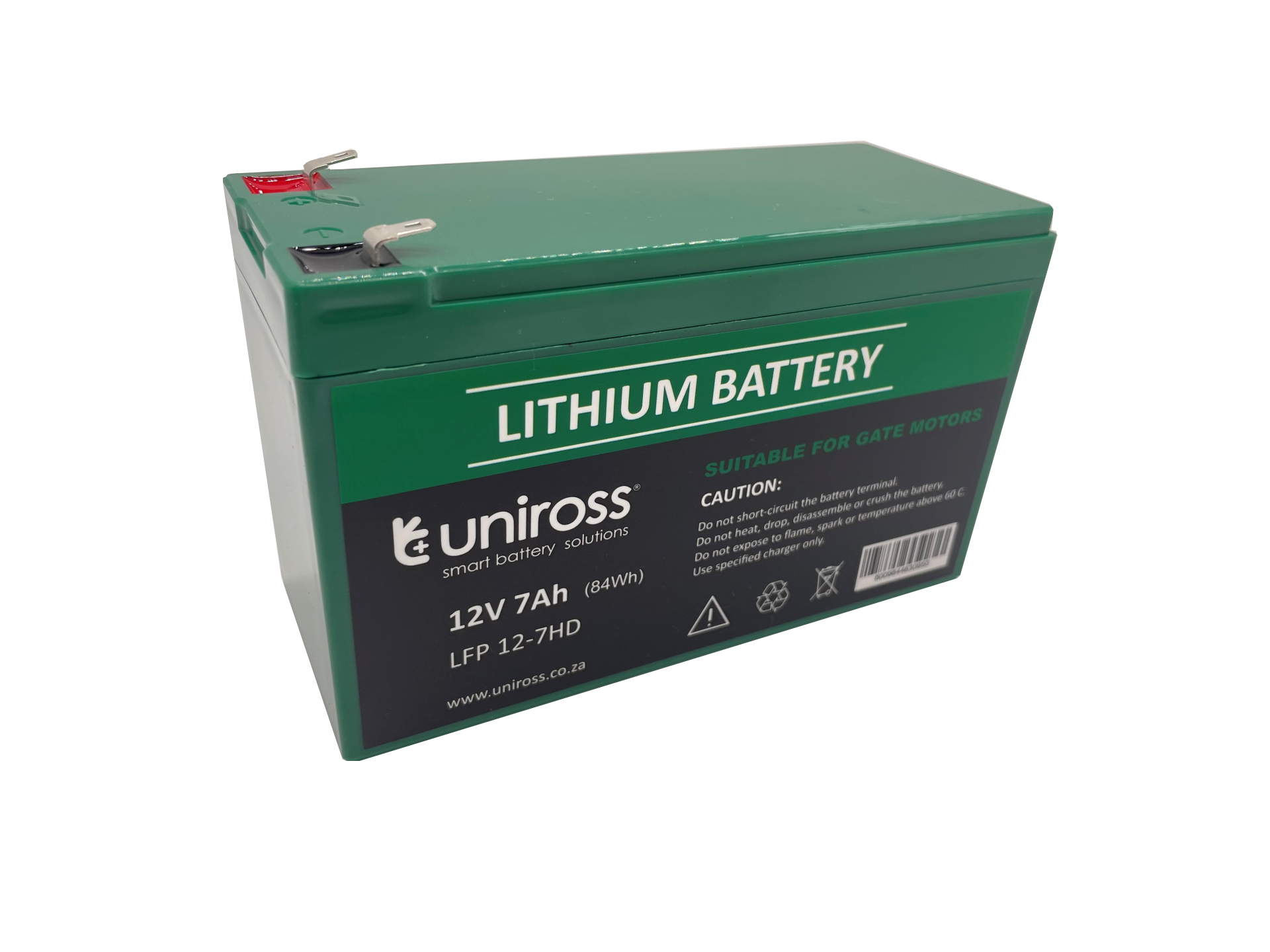
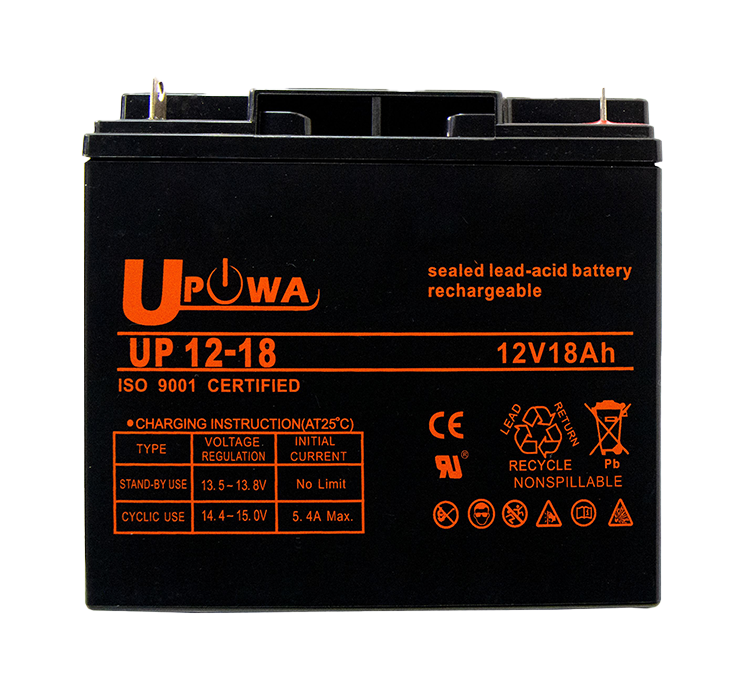
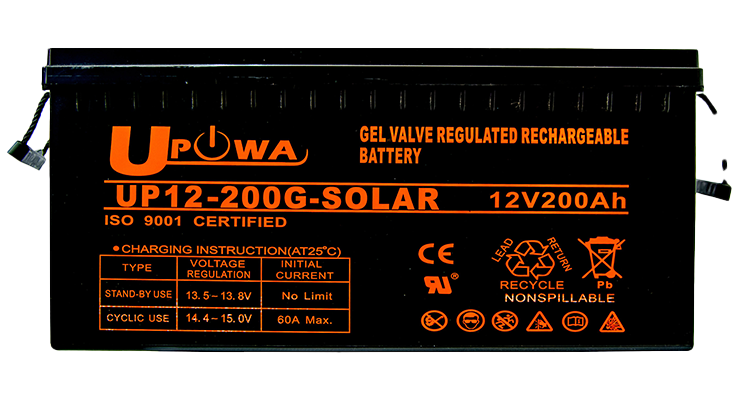
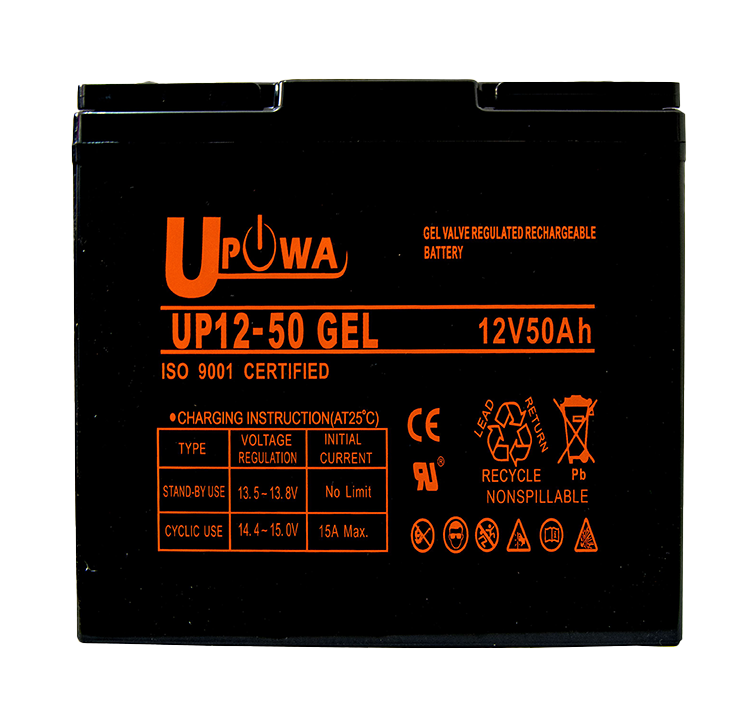
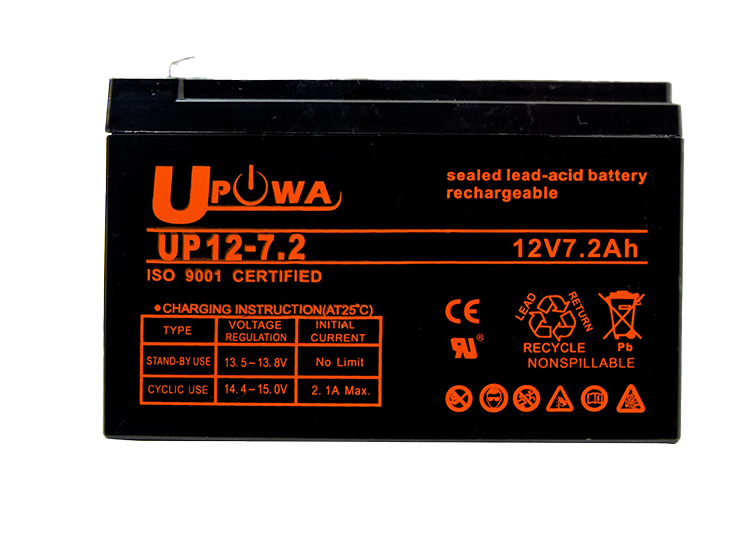
Lithium costs more up front, lasts far more cycles, can be discharged deeper and weighs less, which makes it the better value where the system cycles daily. Sealed lead-acid is cheaper and still fine for standby use like an alarm panel or a gate motor that rarely runs flat.
How long will a battery run my equipment? +
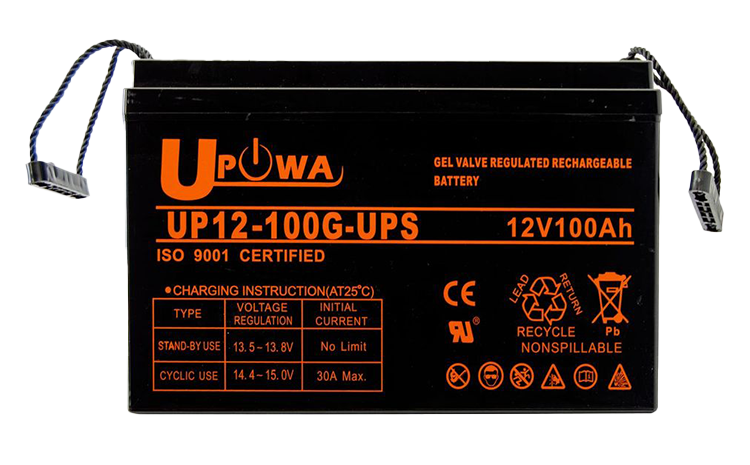
Roughly, usable watt-hours divided by the load in watts. A 100Ah 12V lead-acid battery holds about 1,200Wh but should only be taken to half, so about 600Wh usable, which runs a 100W load for around six hours. The same size in lithium gives close to the full 1,200Wh.
Can I add solar later? +
Yes, if the inverter or charge controller supports a solar input at the voltage of the panels you plan to fit. Choosing that at the start avoids replacing the inverter when you add panels.
Does my alarm or gate need its own backup? +
They already have one: both run from an internal battery. The parts that usually stop working in an outage are the router, the network switch and the CCTV recorder, so those are what a backup supply should cover first.