





















































ALARMS
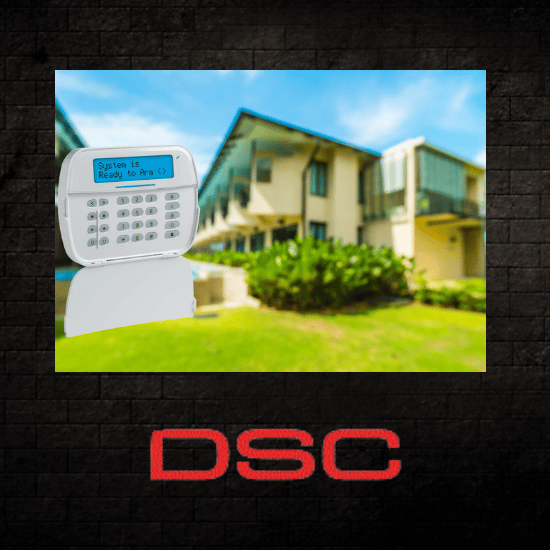
An alarm system is a control panel, detectors and a way of telling someone. Panels are wired, wireless or hybrid, and the communicator decides whether an alarm reaches an armed response control room, your phone, or both.
Browse by type
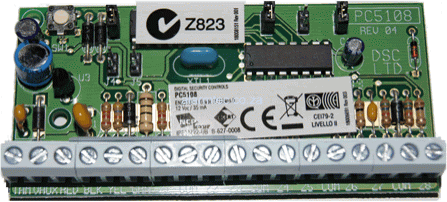
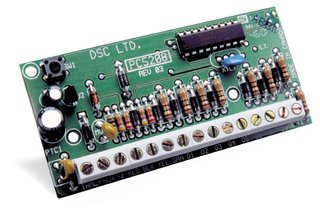
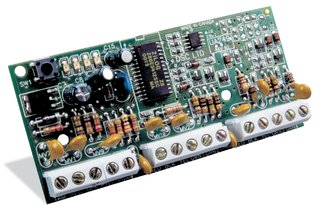
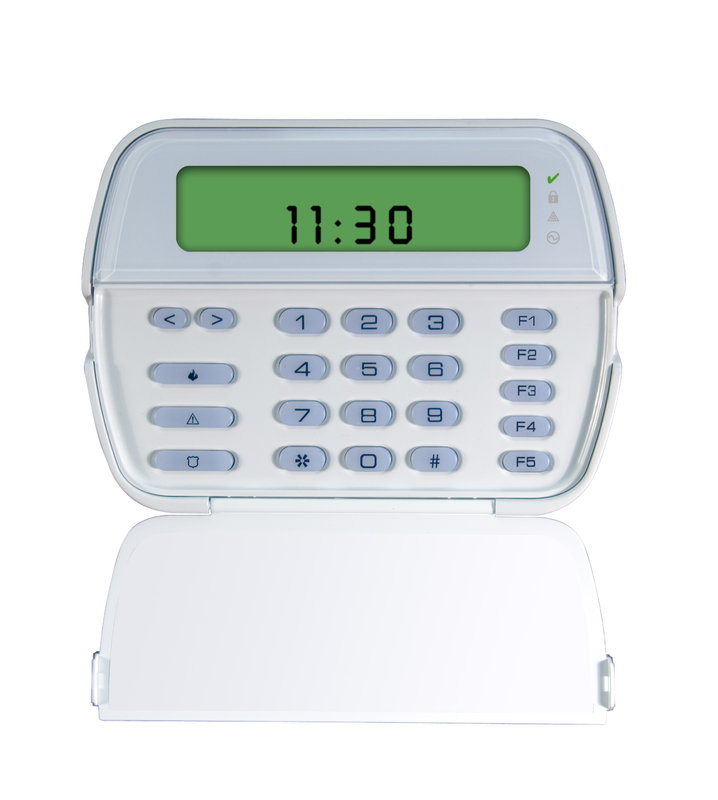


ALARMS buying guide
Wired, wireless or a bit of both
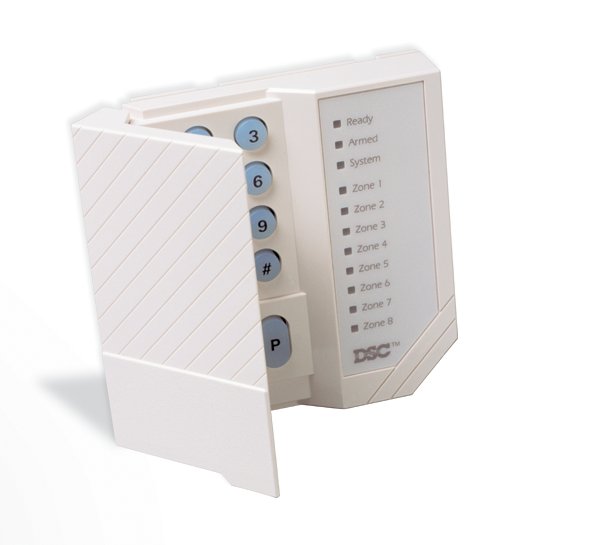
A wired panel is the cheaper and more reliable option where the cabling is already in the walls or the building is still open. Wireless suits a finished house, a tenant, or an extension that would otherwise mean chasing plaster; the trade-off is batteries to replace and a signal to check. Hybrid panels take both, which is usually the honest answer for an older property being extended.
Zones and expansion
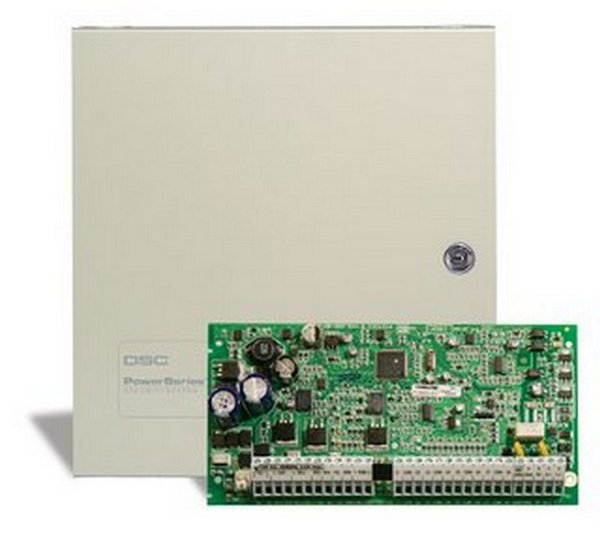
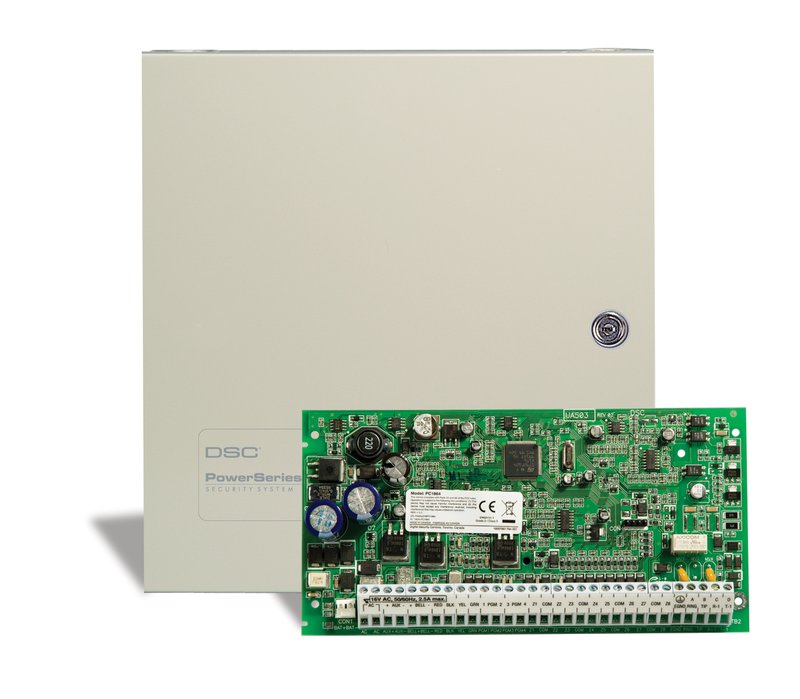
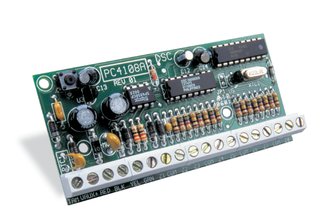
Count the detectors, the door contacts and the panic buttons, then check the panel's zone count and how it expands. Panels that expand with a plug-in module age better than panels that do not.
Detection that suits the property
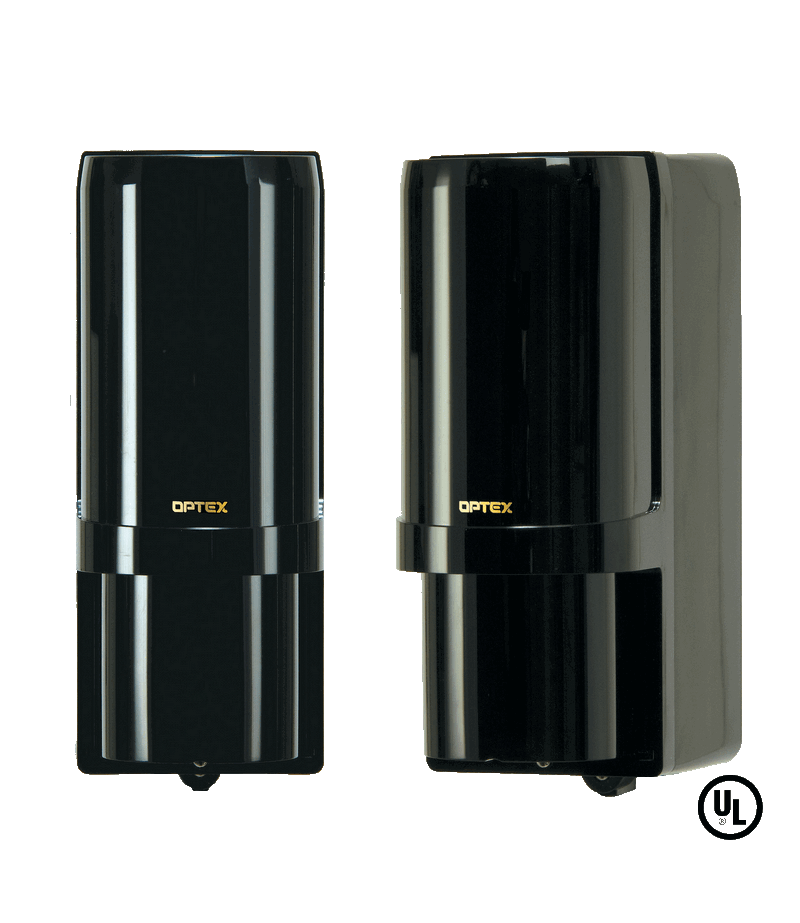
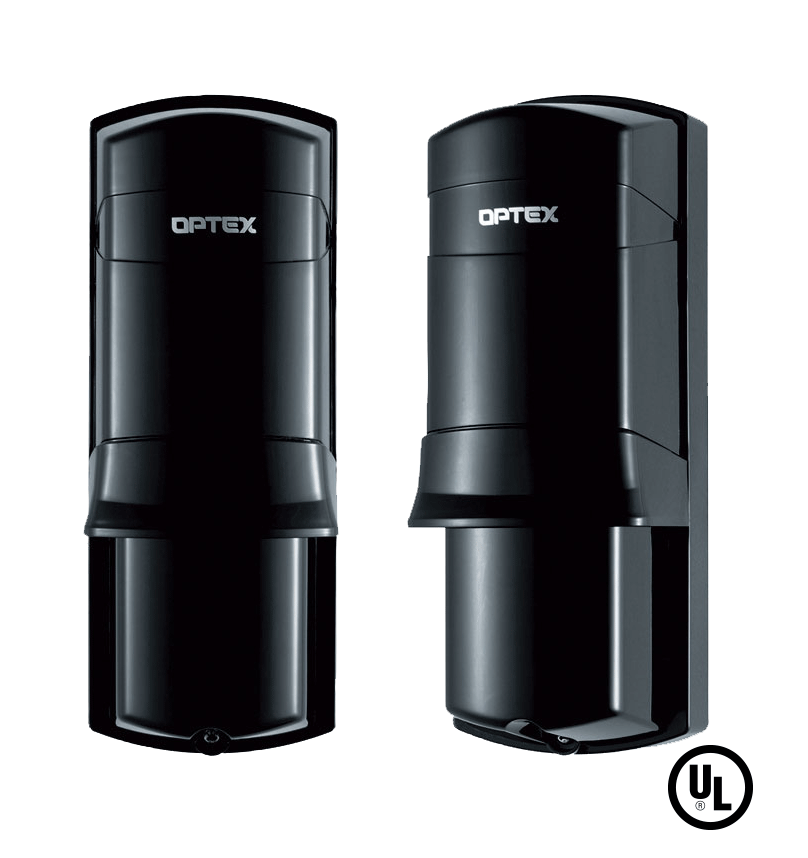
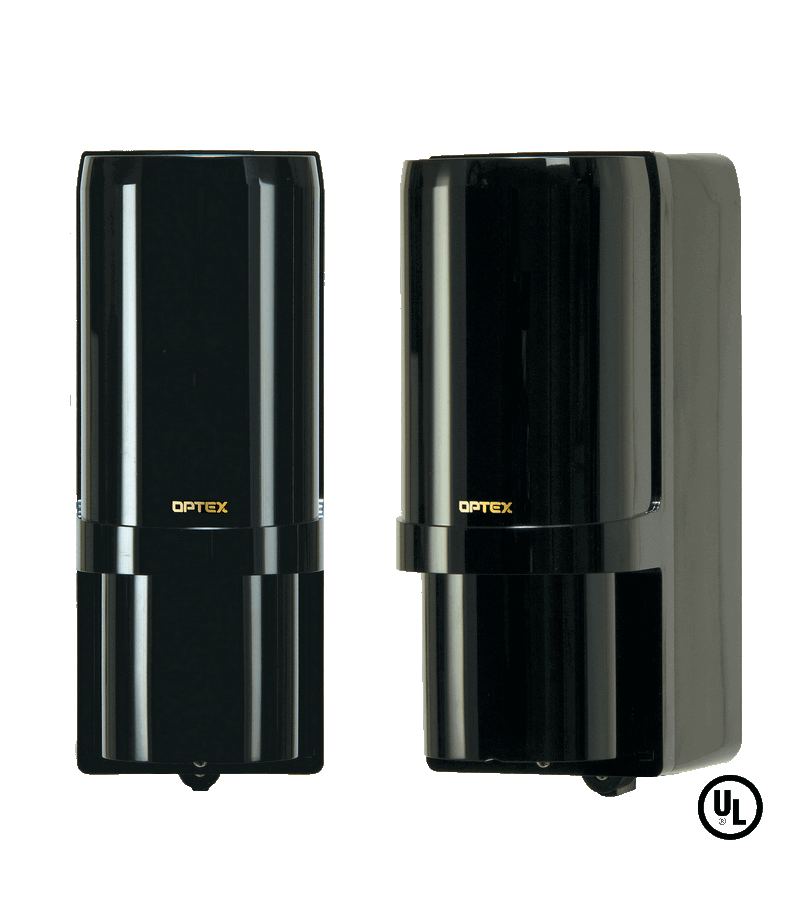
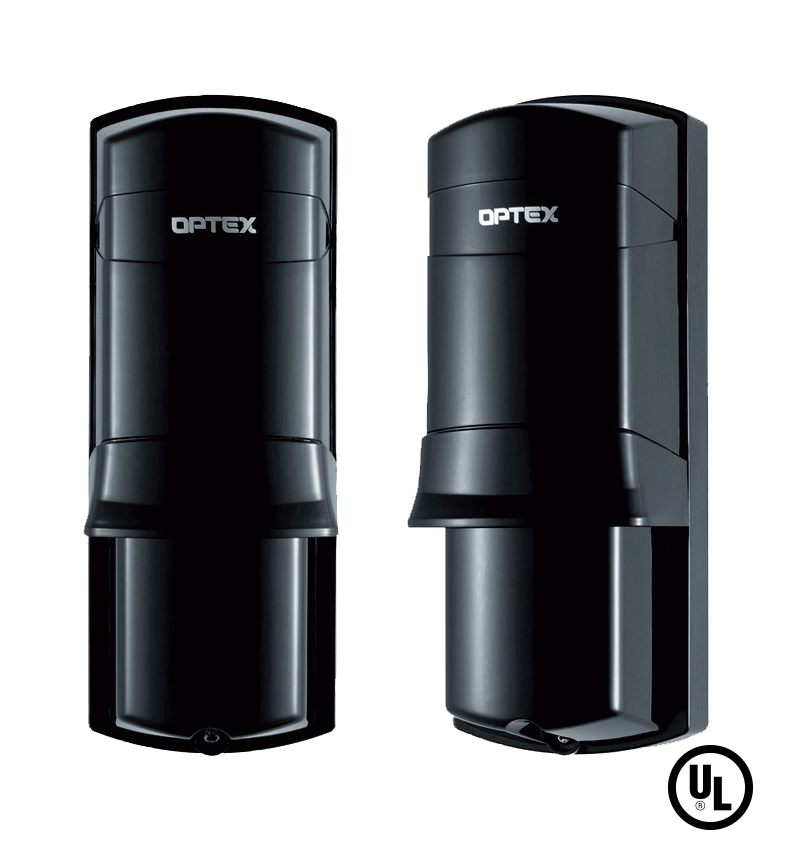
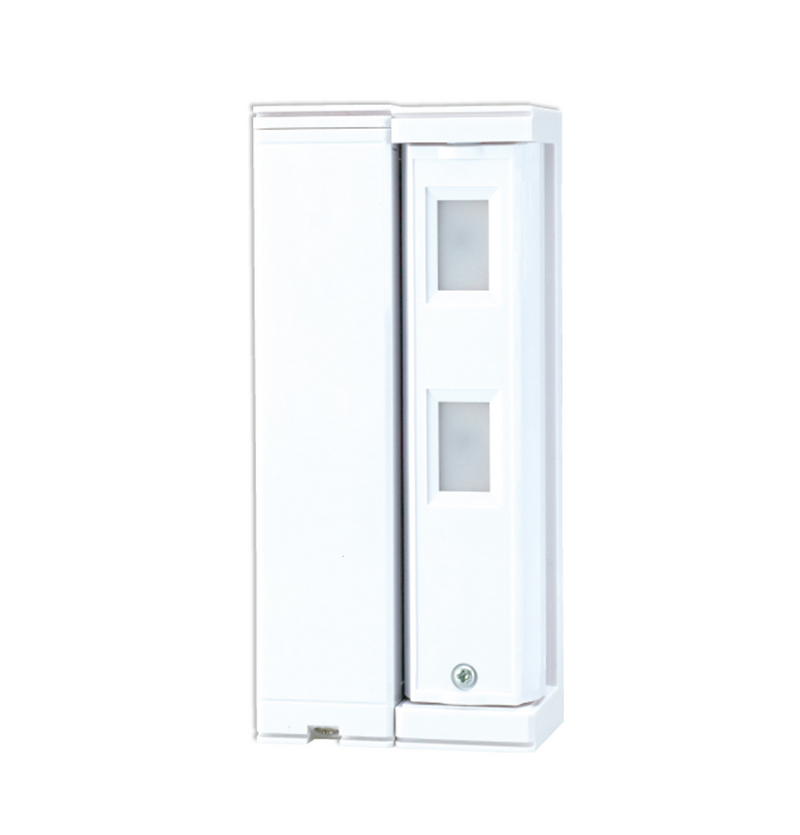
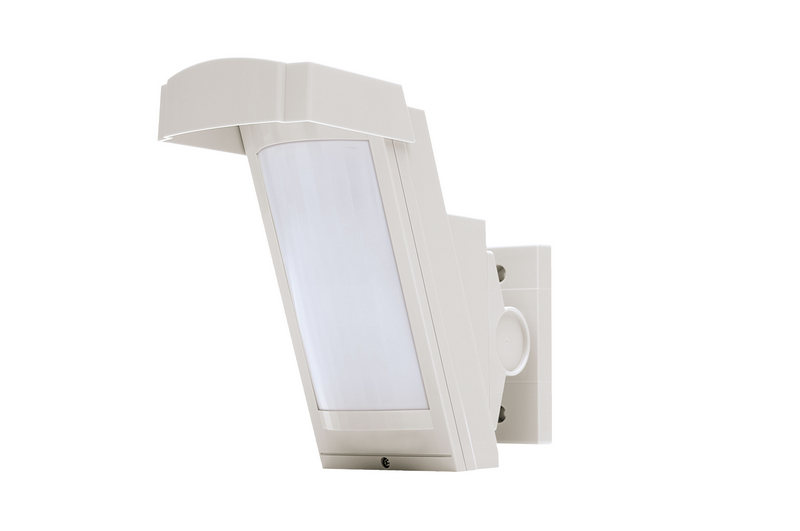
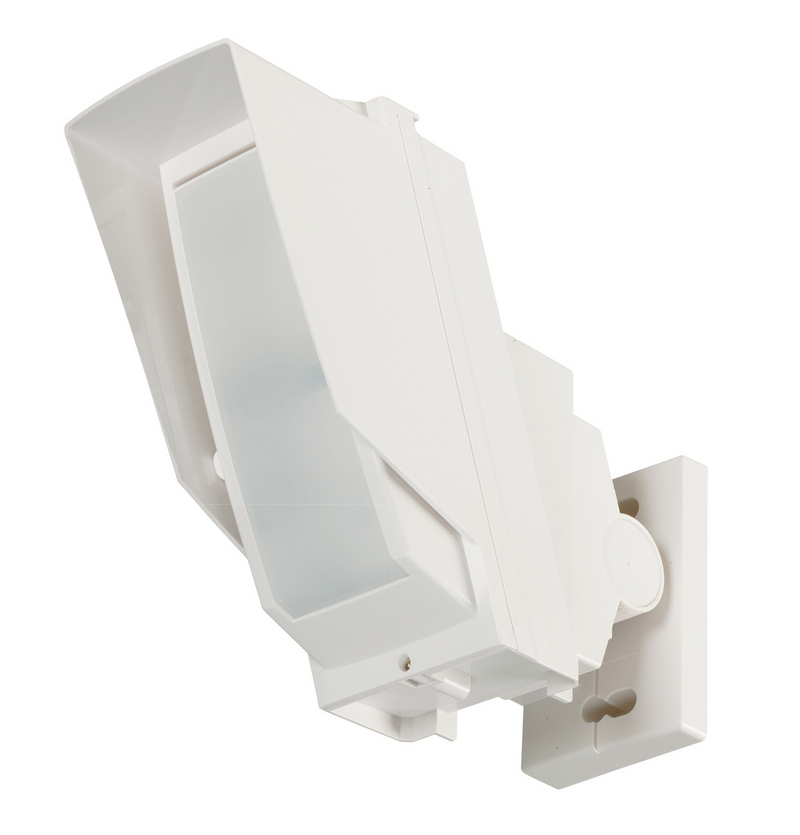
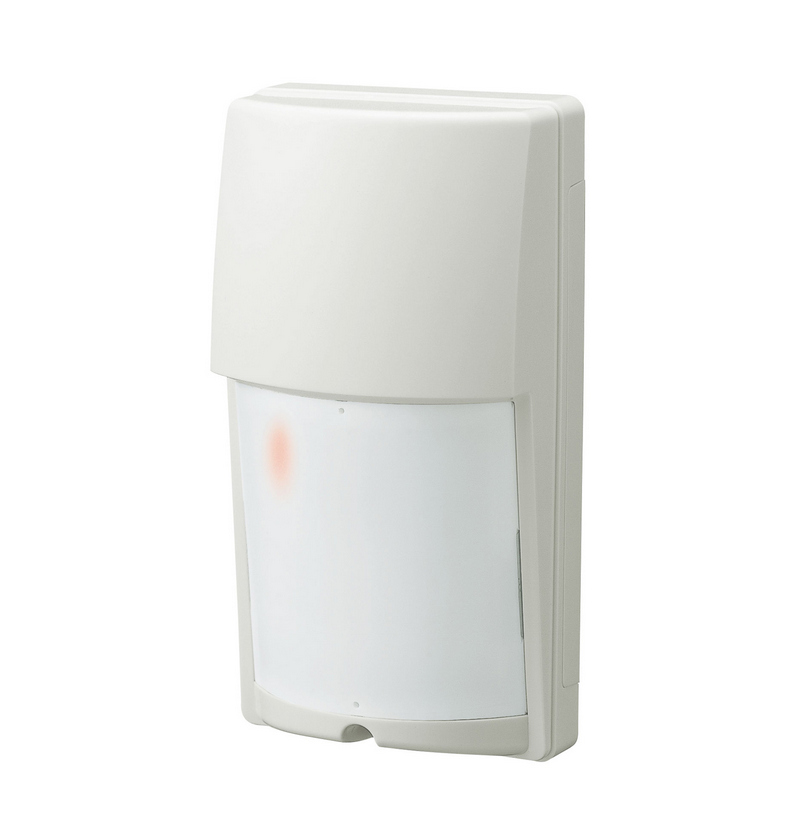
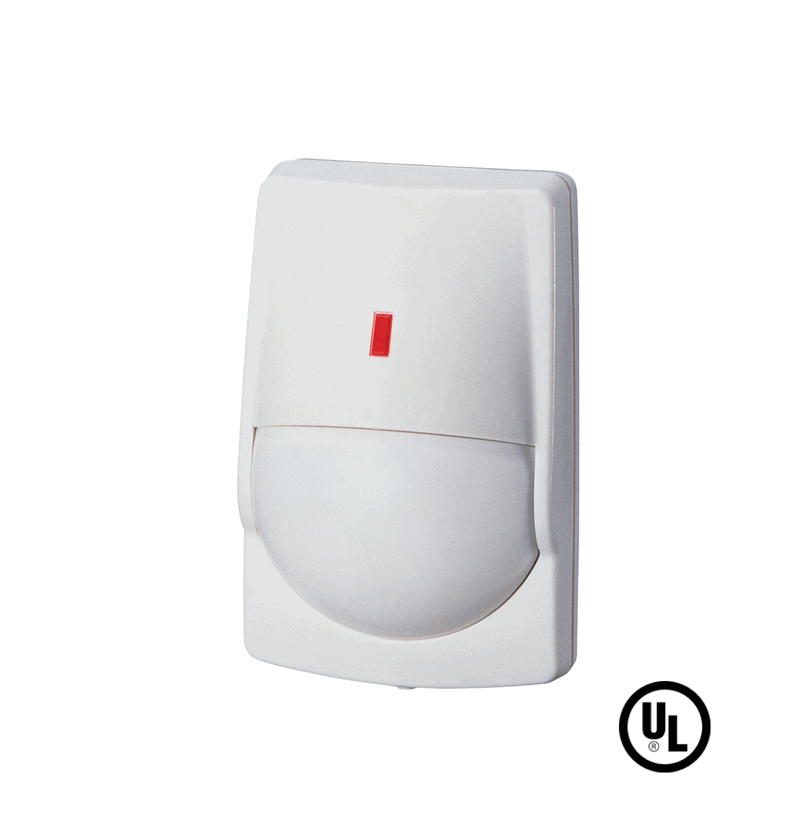
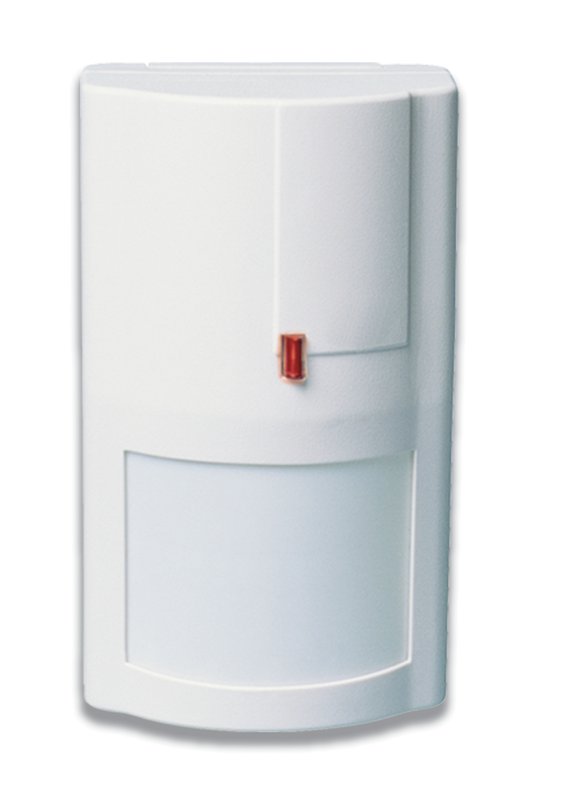
Indoor PIRs are the default. Where there are pets, use a pet-immune detector and keep the lower beam above the animals rather than relying on the specification alone. Outdoors, dual-technology and digital detectors reject moving branches and weather far better than a basic PIR, which is what stops the false alarms that make people stop arming the system.
Signalling and monitoring
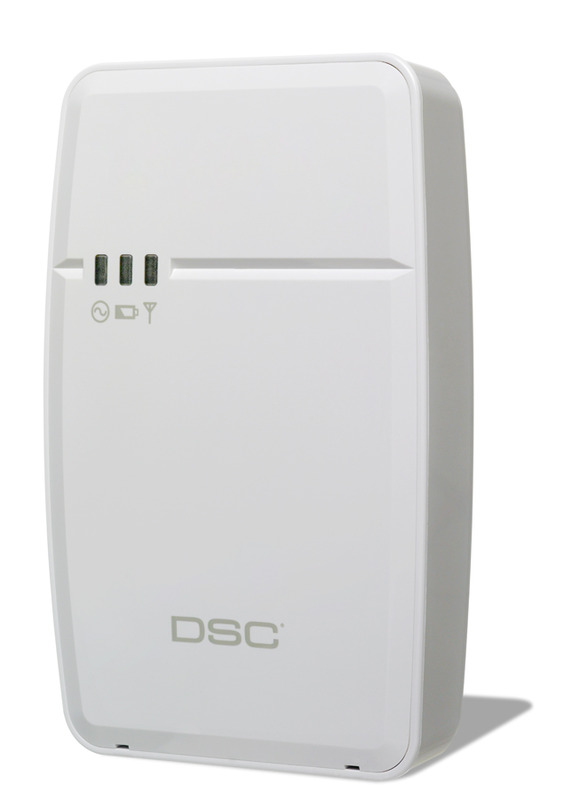
A siren on the wall only helps if somebody hears it. Radio, GSM or app communicators let the panel reach an armed response company or your phone. Confirm what your response company accepts before you buy the communicator, because that decision is theirs as much as yours.
Power
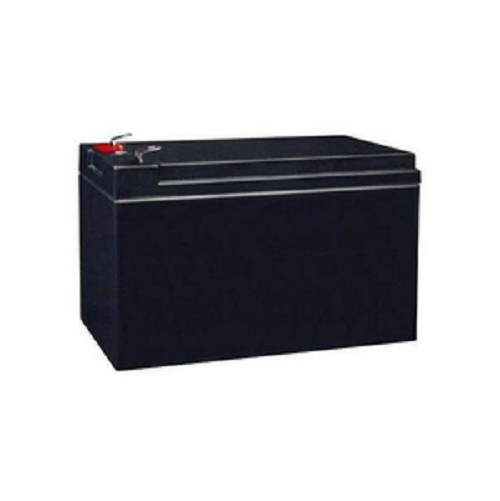
Panels have a standby battery, and it is the part that quietly dies. Replace it every two to three years, sooner on a property that loses power often, and check the battery health after any extended outage.
ALARMS questions
Wired or wireless alarm? +
Wired is the more reliable choice when walls are still open or conduit exists, with no batteries to replace in detectors. Wireless suits a finished house or a tenant, installs in hours rather than days, and needs detector batteries changed every few years. Hybrid panels take both.
Will my dog set the alarm off? +
Pet-immune passive infrared detectors ignore animals up to a stated weight, commonly 20kg or 40kg, by requiring the detection pattern of a person rather than an animal. Mounting height and angle matter as much as the rating: a detector aimed too low will still trigger.
How many zones do I need? +
One zone per detector is ideal, because it tells you exactly what tripped. A typical three-bedroom house runs eight zones. Expandable panels add zones with expanders later, so the panel choice matters more than the initial zone count.
Can I arm and check the alarm from my phone? +
Yes, with a communicator module fitted to the panel. Communicators add a mobile data and Wi-Fi link and give you app control, event history and notifications. Some also send signals to an armed response provider at the same time.
What happens to the alarm during a power failure? +
Panels run on a sealed lead-acid or lithium backup battery, typically 7Ah, which holds the system up for several hours. Batteries age and lose capacity, so they need testing yearly and replacing roughly every two to three years, sooner where load shedding cycles them hard.