
































Browse by type
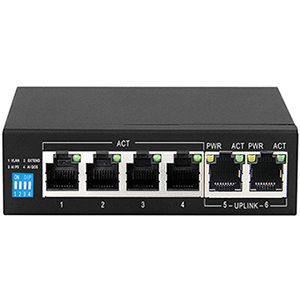
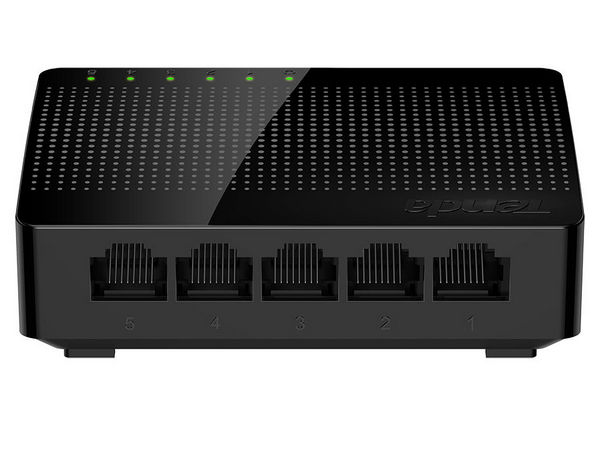
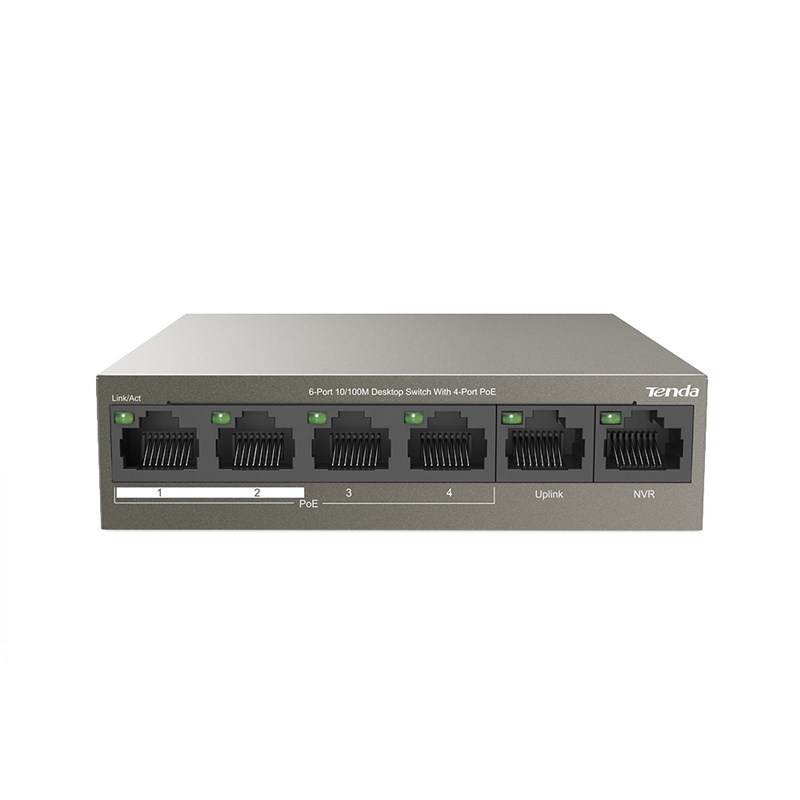
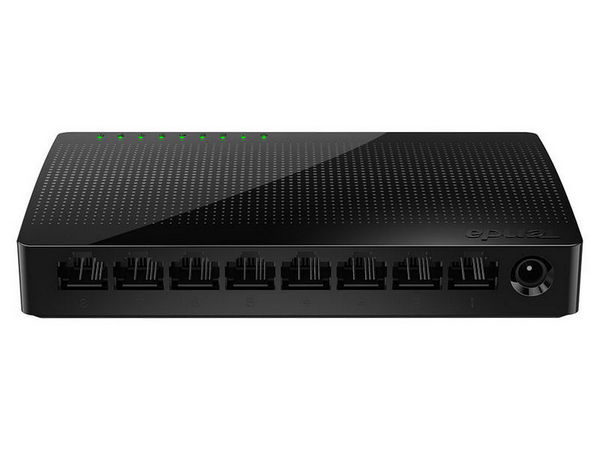
NETWORK SWITCHES buying guide
NETWORK SWITCHES questions
What is the difference between a DVR and an NVR? +
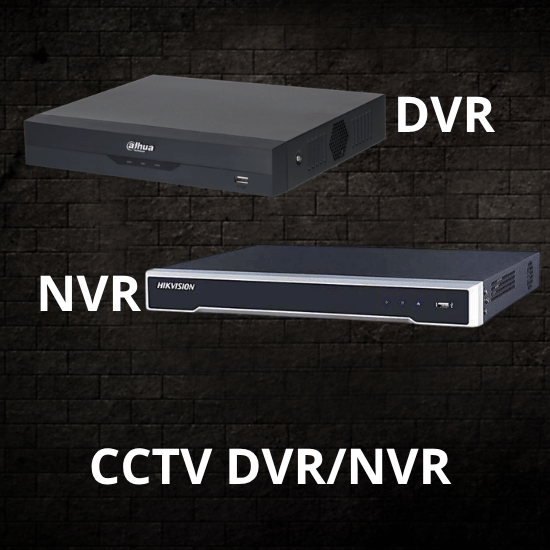
A DVR records analogue HD cameras (AHD, TVI or CVI) over coaxial cable, so it suits an existing coax installation. An NVR records IP cameras over network cable, usually powering them over the same cable with PoE, and supports higher resolutions and analytics. The recorder must match the camera type.
How much recording storage do I need? +
As a rough guide, one 2MP camera recording continuously at medium bitrate uses about 20GB to 30GB a day, so a 4-camera system typically needs 2TB to 4TB for two weeks of footage. Motion-triggered recording cuts that substantially. Always use a surveillance-rated hard drive, not a desktop one.
Can cameras see in the dark? +
Infrared cameras switch to black and white at night and light the scene with IR LEDs, which is invisible to the eye. Colour night vision cameras use a larger sensor and a white light or warm light to keep colour, which is more useful for identifying clothing and vehicles.
Will my cameras keep working during load shedding? +
Only if the recorder, the switch or PoE injector and the router are all on backup power. Cameras draw little on their own, but the recorder and network gear are what fail first. A small UPS or inverter sized for the whole chain is what keeps footage and remote viewing alive.
Do I need to tell people they are being recorded? +
Under POPIA, camera footage of identifiable people is personal information. Visible signage at entrances, recording only what you need, and keeping footage secure and no longer than necessary are the practical steps. Cameras pointed at a neighbouring property or a public street raise additional issues.