




















ACCESS CONTROL
Access control decides who gets through a door, gate or boom, and keeps a record of it. Credentials range from a code on a keypad to a card, a tag, a fingerprint or a face, and the choice affects both convenience and your obligations under POPIA.
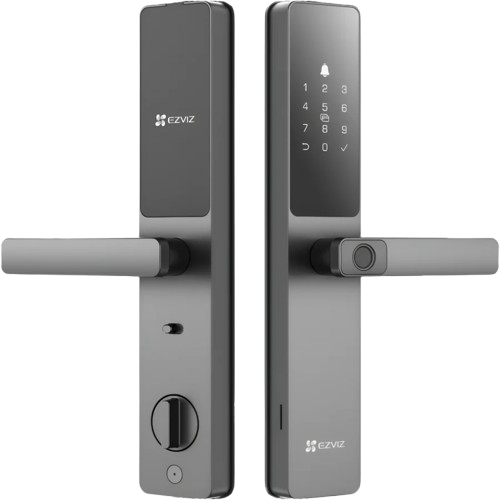
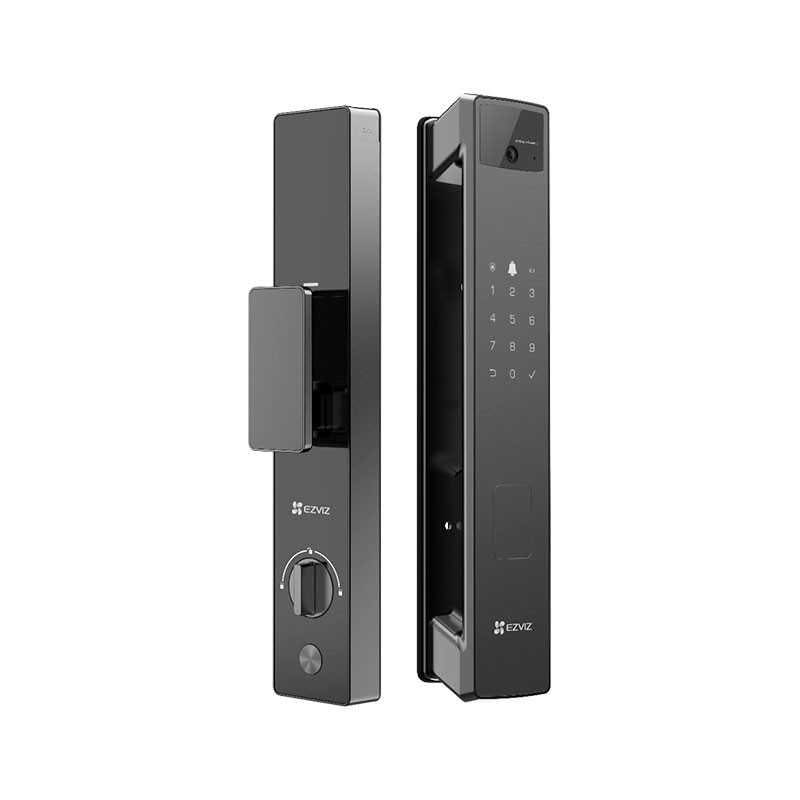
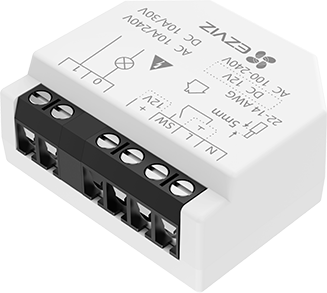
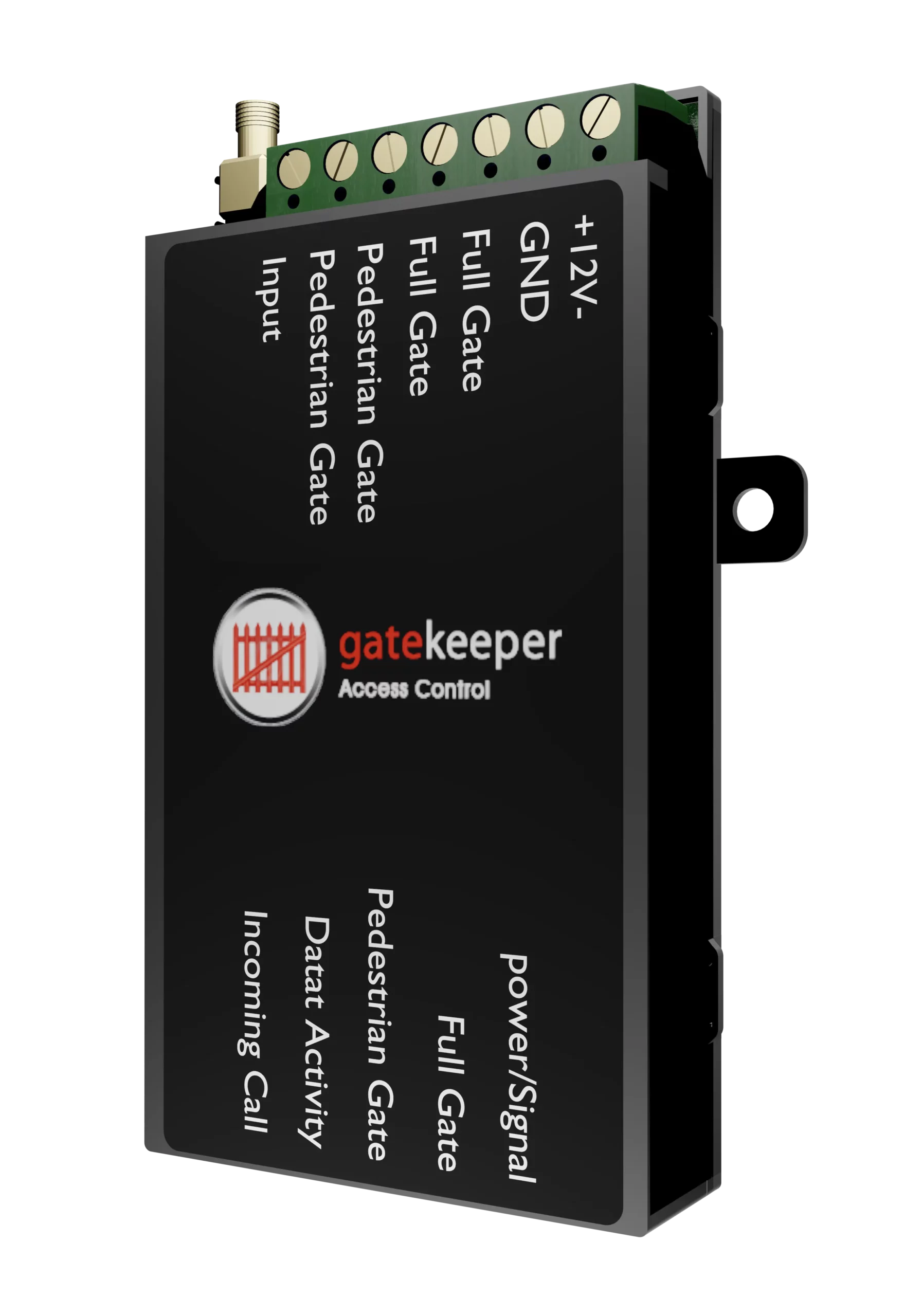
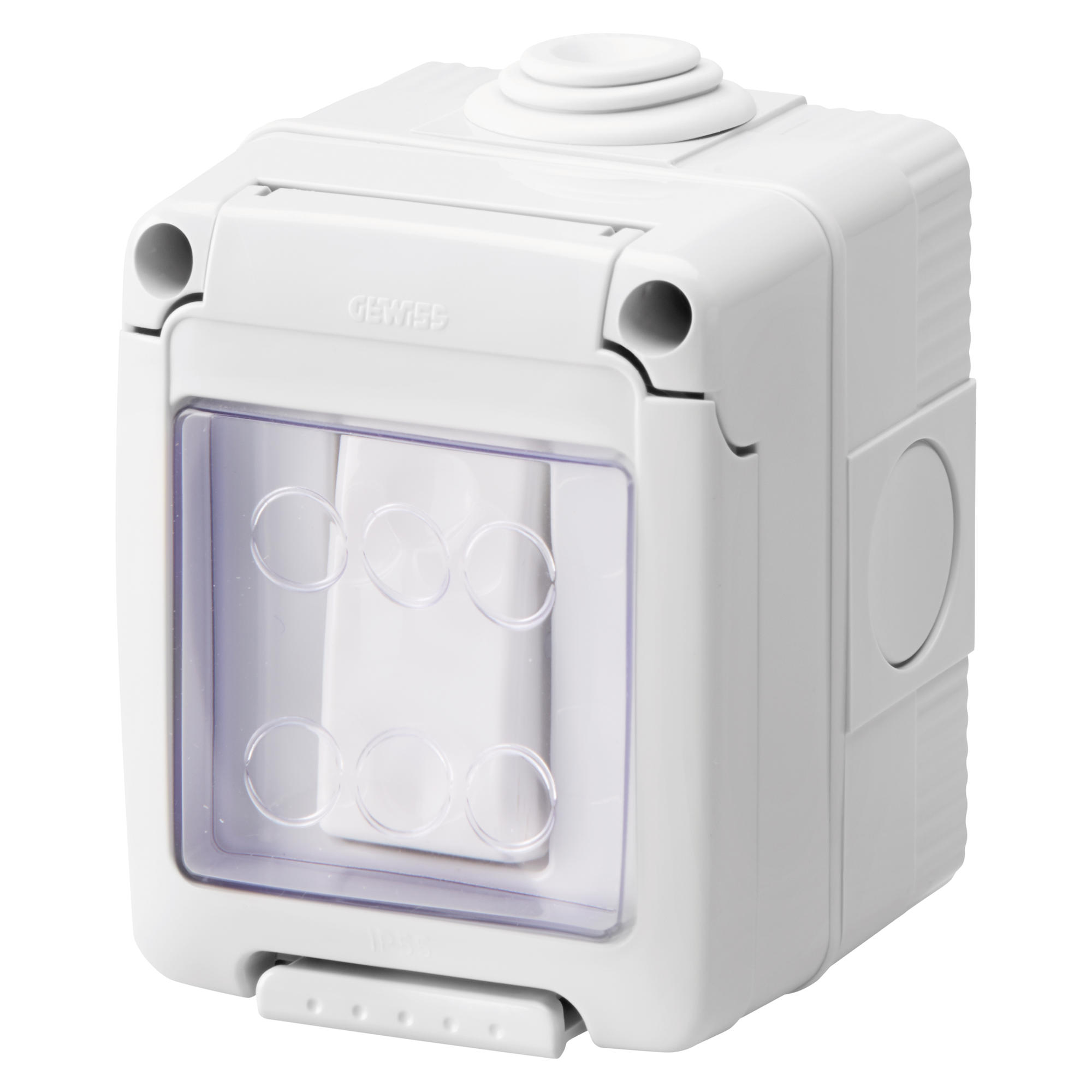
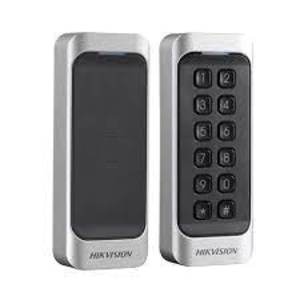
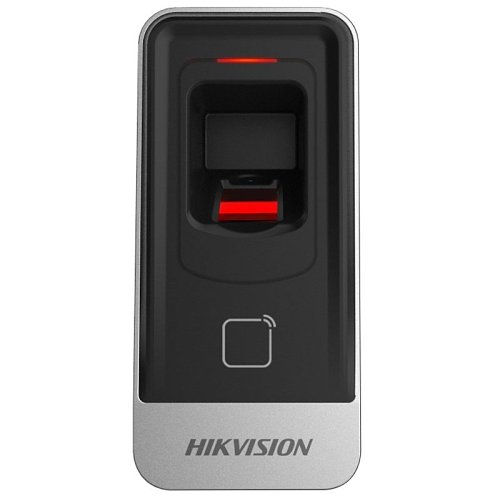
ACCESS CONTROL buying guide
Decide what the credential is
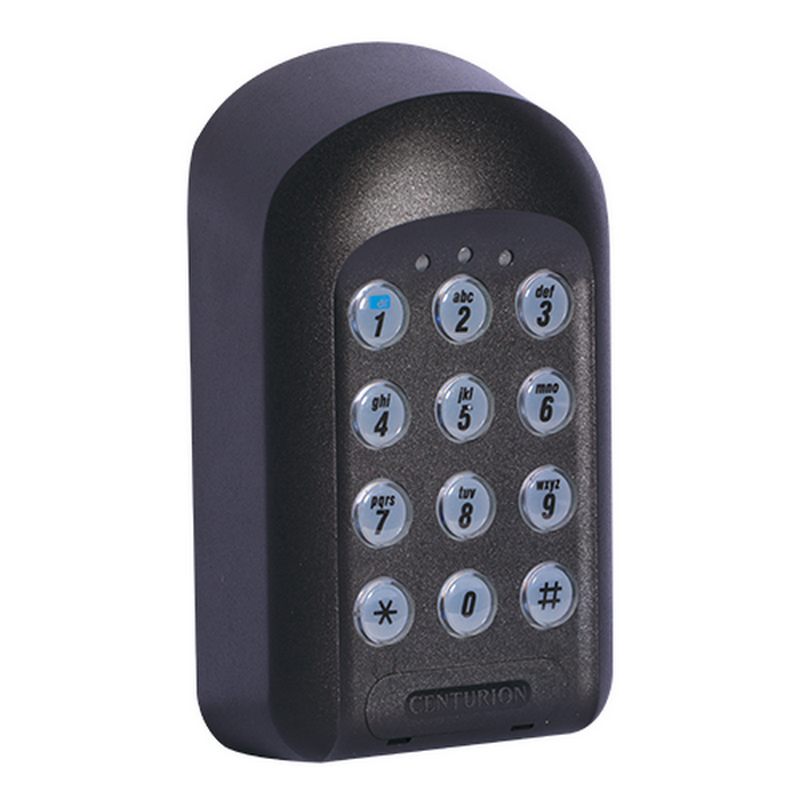
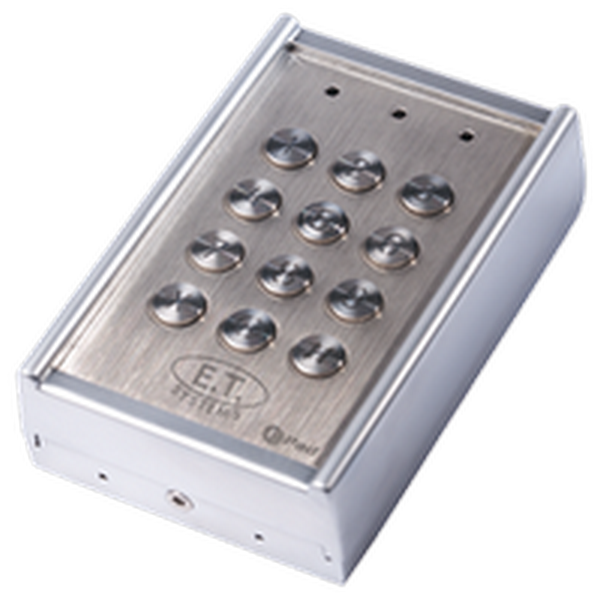
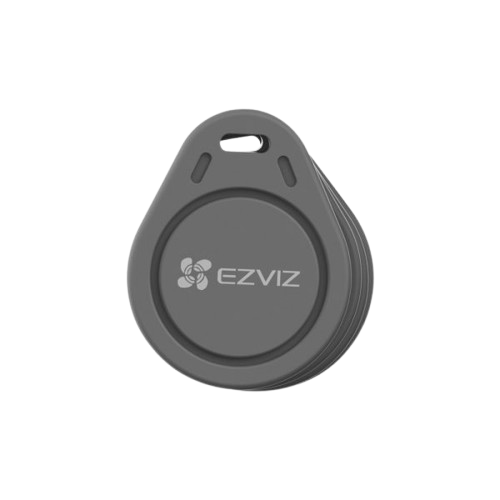
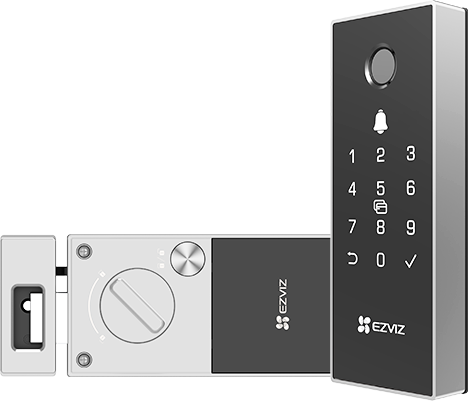
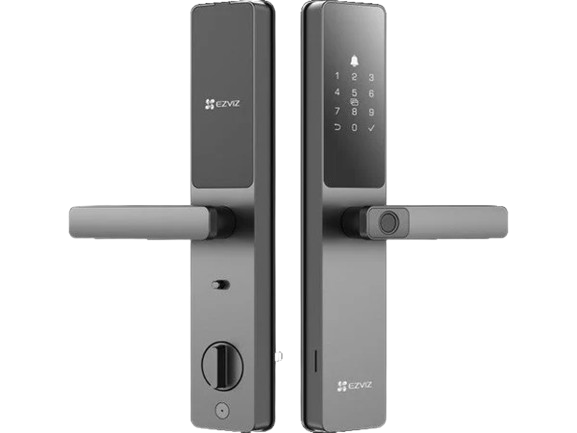
A code on a keypad is the cheapest to issue and the easiest to share, which is both its advantage and its weakness. A tag or a card is issued to a person and revoked when they leave. A fingerprint or a face cannot be lent or lost, and is what you want where knowing exactly who came through matters. Many sites end up using two: a tag for staff and a code for contractors.
Standalone or managed
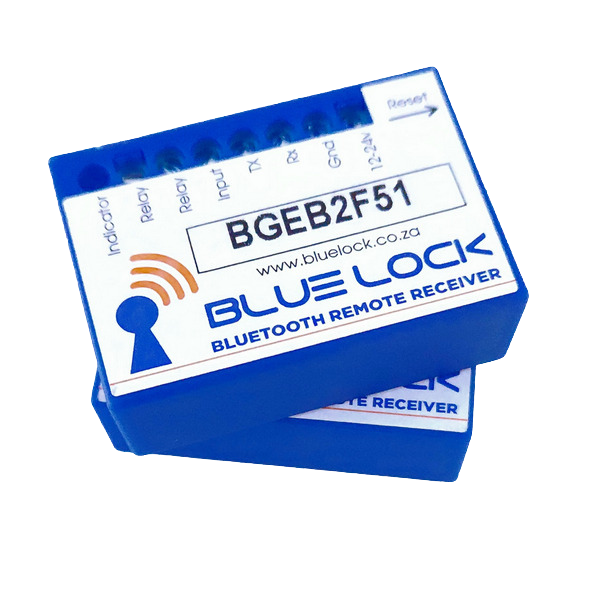
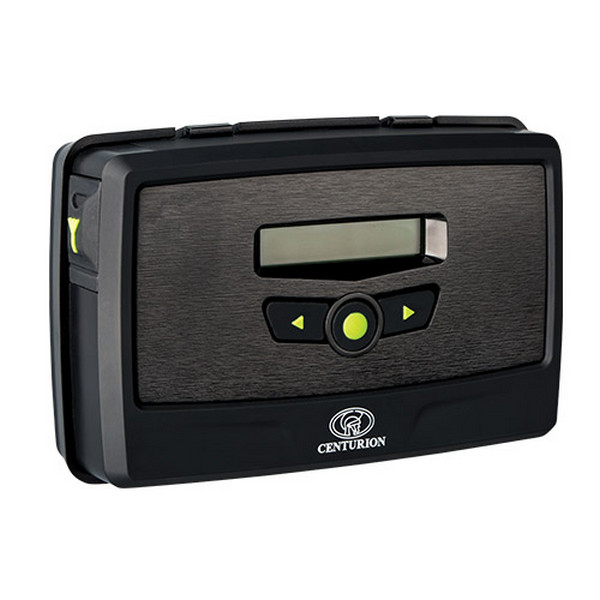
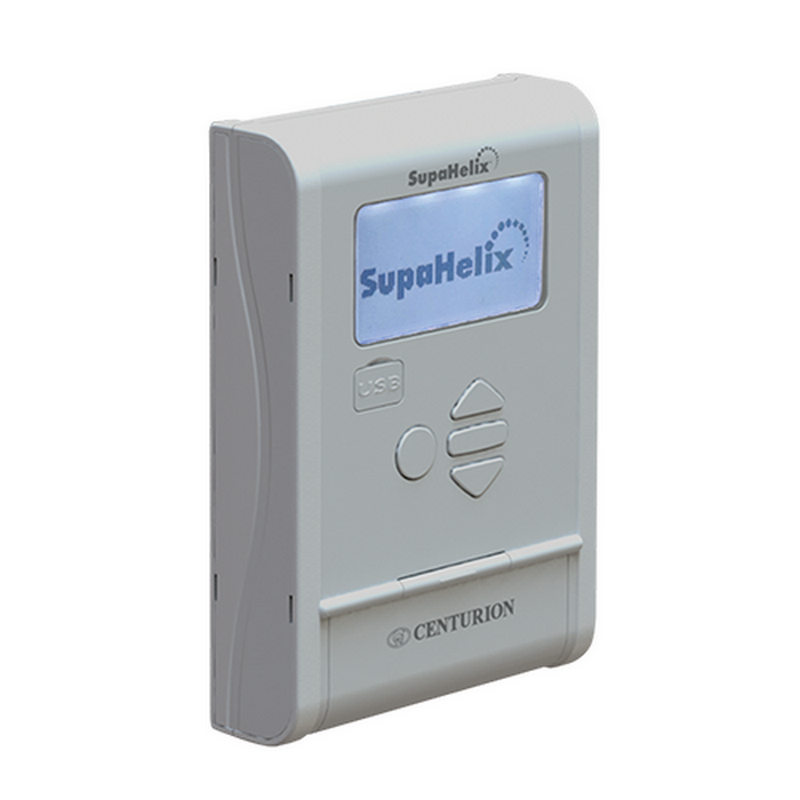
A standalone reader on the door is simple, cheap and adequate for one entrance. Once you have several doors, staff turnover, or a need to answer "who opened this at 03:00", you want a controller with software behind it, and that is a different budget and a different install.
Match the lock to the door
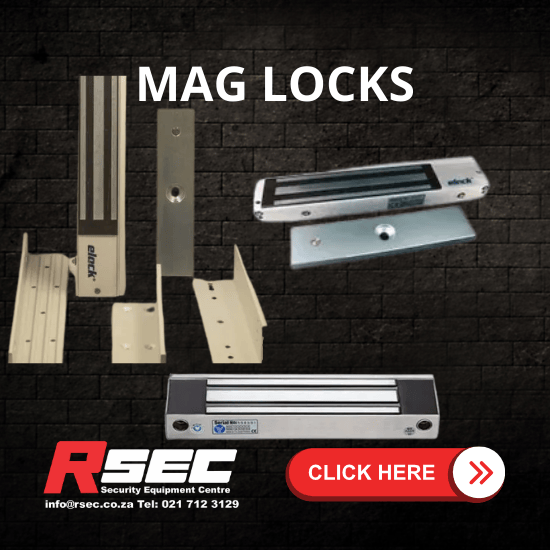
The reader is only half the job. An electric strike suits a timber door with a frame that can take it. A magnetic lock suits a glass or aluminium door and needs the right holding force for the door's weight and usage. Both need to fail in the right direction for the building's fire requirements, which is a decision to make deliberately rather than by default.
Power, exit and emergency
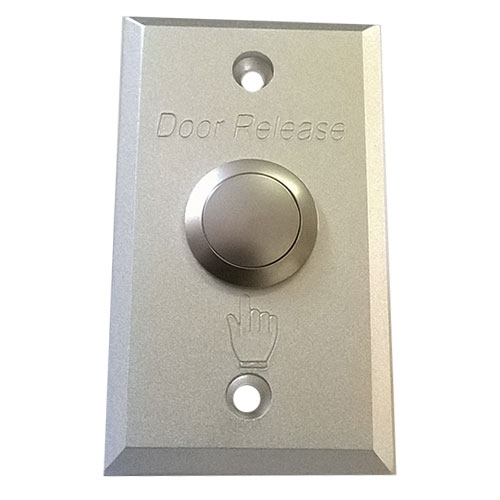
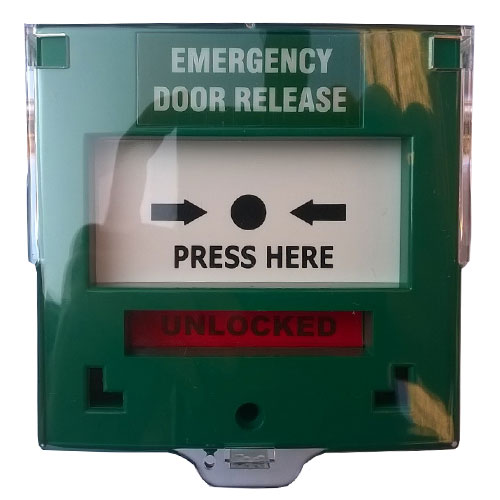
Access control fails closed or open when the power goes, and someone must still be able to get out. Plan the request-to-exit device, the emergency release and the backup power together, not as an afterthought.
ACCESS CONTROL questions
Keypad, card or biometric? +
Keypads are cheapest and codes get shared. Cards and tags identify an individual and can be cancelled when lost. Biometrics cannot be lent or lost and are the strongest link between a person and an entry, but they carry data protection duties.
Does POPIA apply to fingerprint readers? +
Yes. Biometric information is special personal information under POPIA, so it needs a lawful basis, clear notice to the people enrolled, tight access to the data, and deletion when someone leaves. Systems that store a mathematical template rather than a fingerprint image reduce the risk.
Will access control work in a power failure? +
Controllers and readers run from a low-voltage supply that should have a backup battery. Just as important is what the lock does without power: fail-safe locks release, fail-secure locks stay locked, and the right choice depends on whether the door is an escape route.
Can I see who came and went? +
Yes. Controllers log every valid and invalid entry with a time stamp, and networked systems report it centrally. That log is often the real reason to fit access control rather than a keypad-operated lock.