























LOCKS and ELECTRIC LOCKS
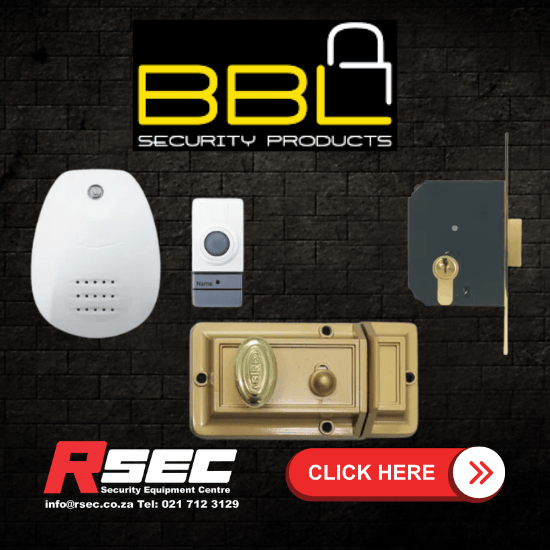
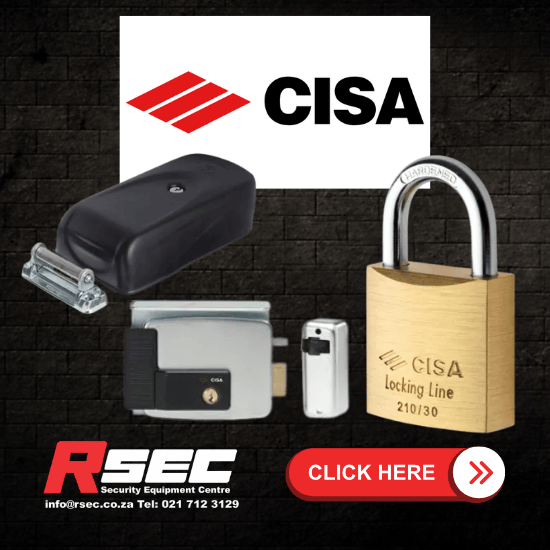
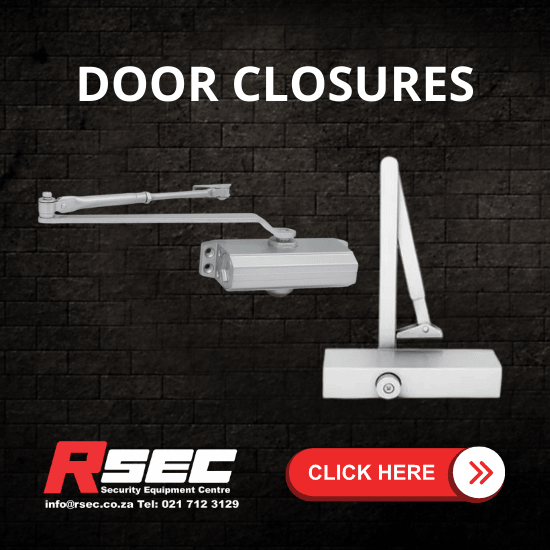
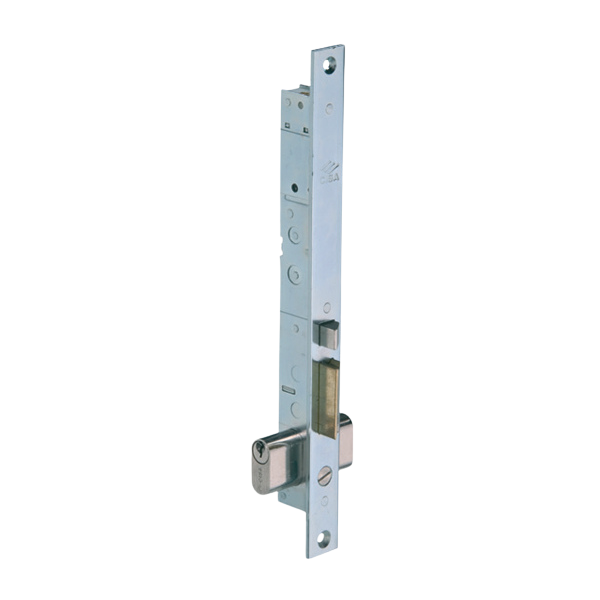
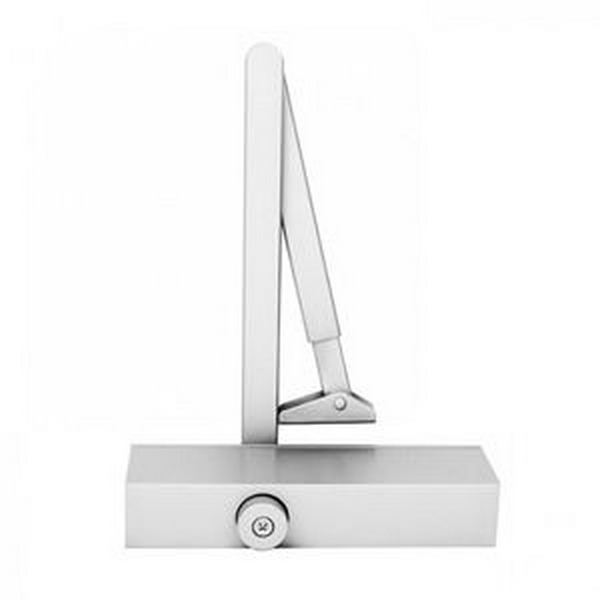
This covers mechanical locks, electric strikes, magnetic locks, door closers and the hardware that holds an opening shut. On an automated or access-controlled door, the lock type decides what happens when the power goes off.
31 products listed
Ask on WhatsApp
Browse by type
LOCKS and ELECTRIC LOCKS buying guide
Mechanical, electric or smart
A good mechanical lock is still the right answer on most doors, and the cheapest thing that works. An electric lock is what you fit when something else has to release the door: an intercom, a reader or a button. A smart lock adds codes, fingerprints and app access, and suits a door where handing out keys is the actual problem.
The door decides the lock
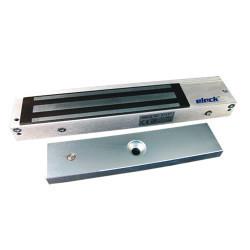
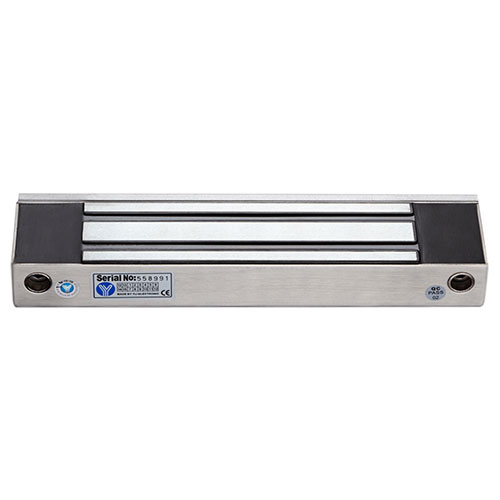
A timber door with a solid frame takes a strike or a mortice. An aluminium or glass door usually takes a magnetic lock, sized on holding force against the door's weight and how hard it is pulled. A gate is a different job again, and outdoor rated hardware is not optional there.
Fail safe or fail secure
Decide, deliberately, what happens when the power goes. Fail safe releases so people can get out; fail secure stays locked so the building stays closed. The right answer depends on the door's role and on the building's fire requirements, and it is worth writing down rather than assuming.
Power and backup
Electric and smart locks need power, and in a load shedding pattern that means a backup supply or a lock that holds its state without power. Smart locks with batteries need a plan for the day the batteries die, which is usually a mechanical override key kept somewhere sensible.
LOCKS and ELECTRIC LOCKS questions
Fail-safe or fail-secure? +
A fail-safe lock unlocks when power is lost, which suits an escape route. A fail-secure lock stays locked when power is lost, which suits an external door you do not want opening in an outage. Fire escape routes and building requirements usually decide this for you.
What is the difference between a maglock and an electric strike? +
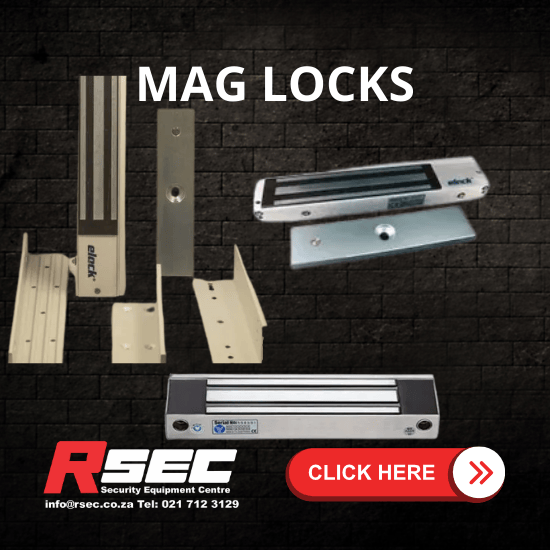
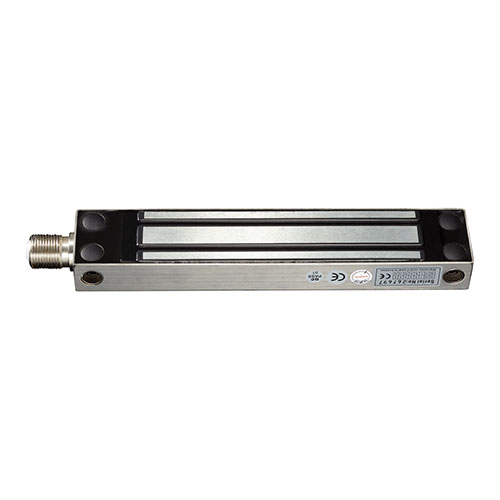
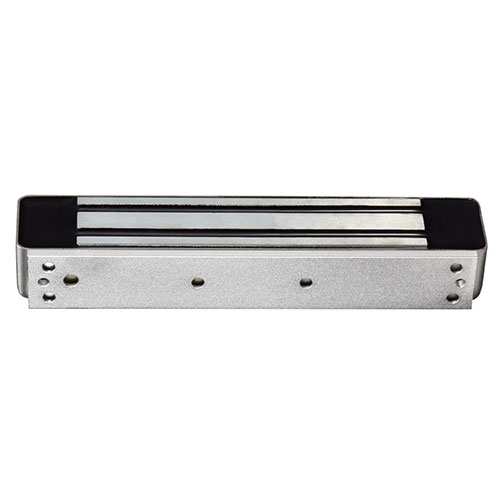
A magnetic lock holds the door with an electromagnet and needs constant power, so it is fail-safe by nature. An electric strike replaces the keeper the latch sits in and lets the existing mechanical lock keep working, so the door stays lockable by key.
How much holding force do I need? +
Domestic and internal doors are commonly 280kg holding force. External, high-traffic or vulnerable doors move up to 500kg or more. Fitting matters as much as the number: a strong lock on a weak frame fails at the frame.
Can I fit an electric lock to my existing gate? +
Usually yes, with the right lock for the gate material and the gap, plus a cable route to the lock. Sliding gates, swing gates and pedestrian gates each take a different lock type, so the gate needs looking at before ordering.