


















































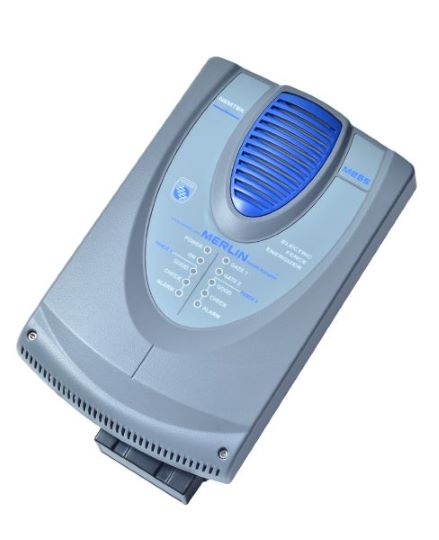
ELECTRIC FENCING
Electric fencing combines an energiser, wire, insulators, brackets and warning signage into a perimeter that deters and detects. In South Africa an electric fence system also carries a legal compliance requirement, which is worth understanding before you buy.
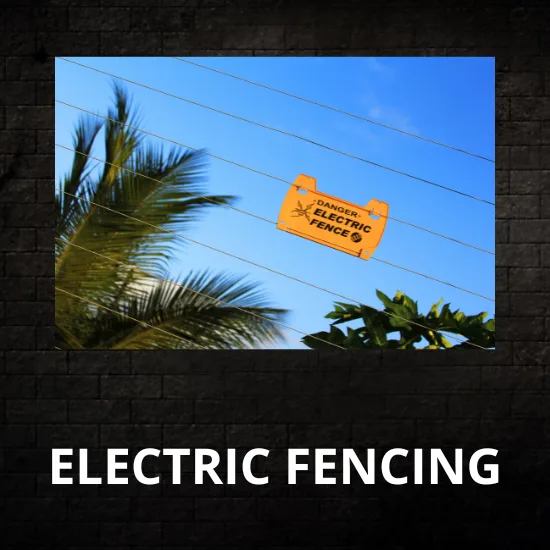



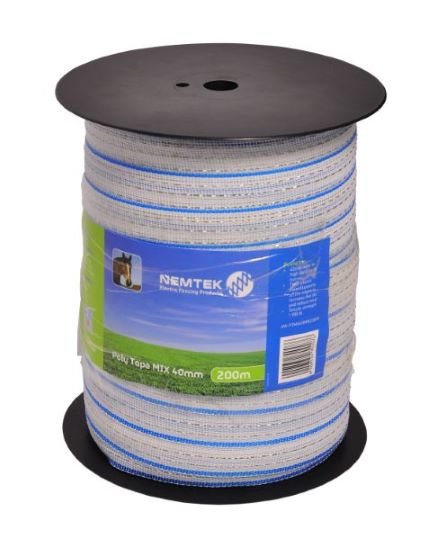

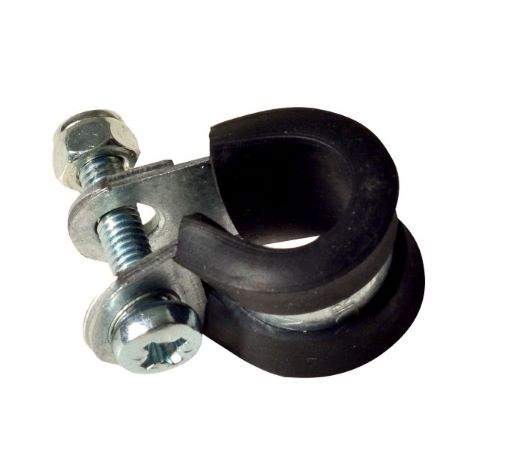

ELECTRIC FENCING buying guide
Size the energiser on the fence, not the property
Energisers are rated on joules and on the length of wire they can drive. Count the total wire run, which is the perimeter multiplied by the number of strands, and add the returns. Under-sizing gives a fence that does not bite in wet weather and that false alarms; over-sizing costs money you did not need to spend.
Wall top or free standing
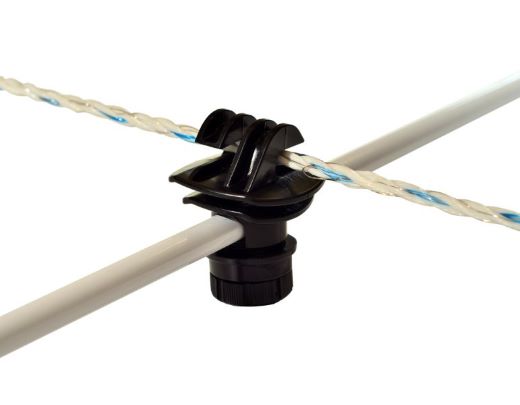
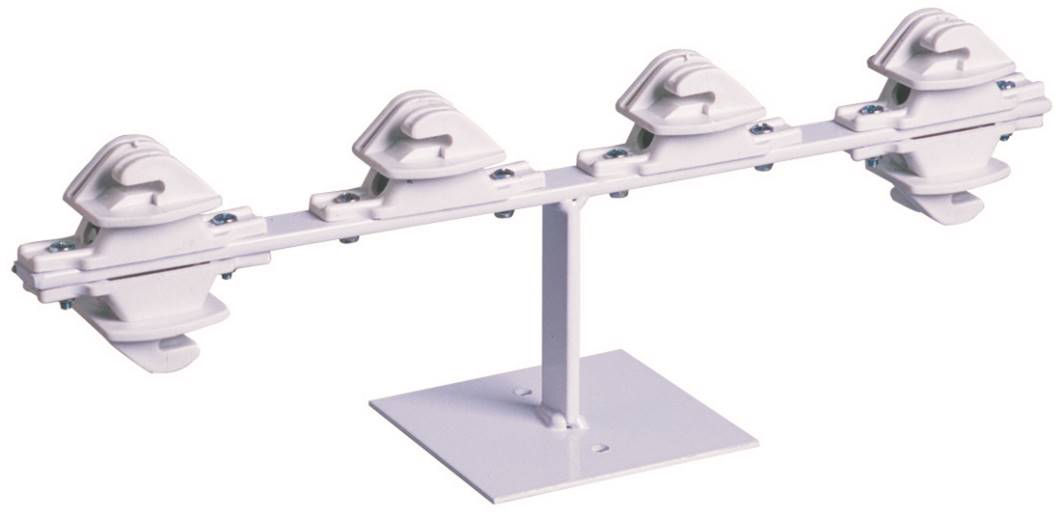
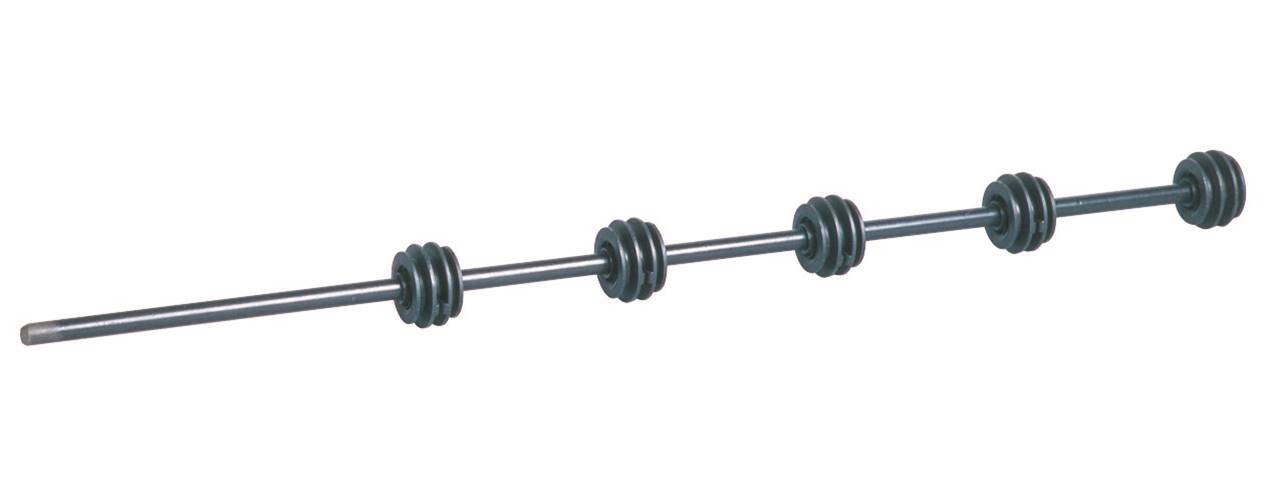
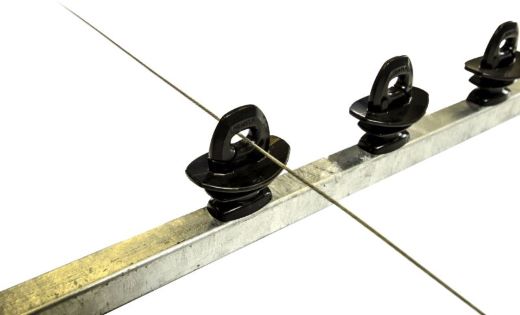
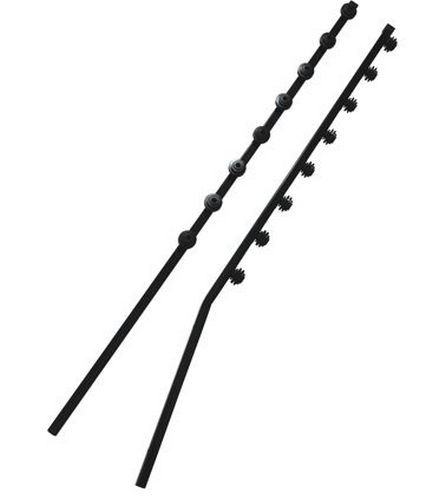
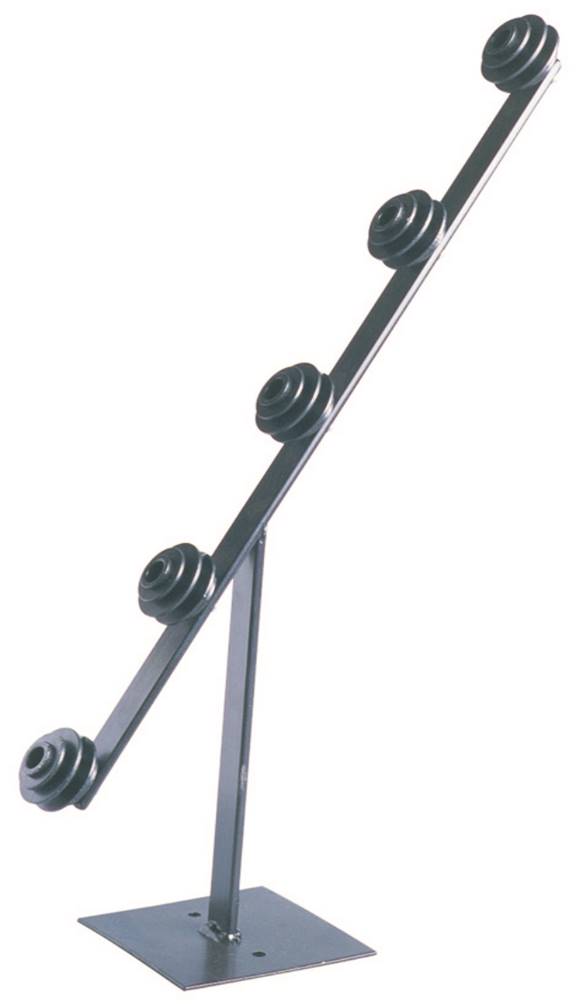
A wall-top fence is the common residential job: brackets on the wall, four to six strands, and a short run to the energiser. A free-standing fence needs its own posts, straining and tensioning, and is a bigger installation. The bracket and insulator choice follows from which one you are building.
Zoning and monitoring
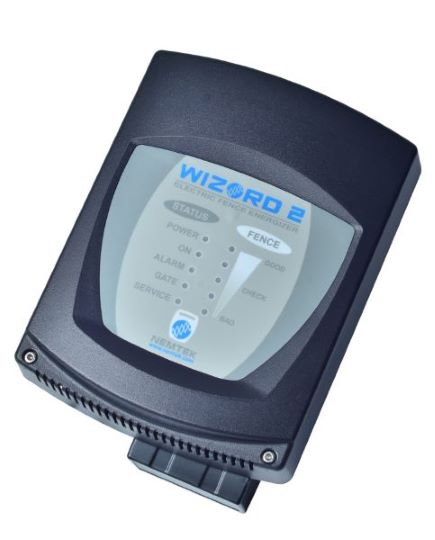
Splitting a long perimeter into zones means an alarm tells you which side of the property was touched, and a fault in one section does not take the whole fence down. Energisers that report to an alarm panel or an app turn the fence into a detection system rather than only a deterrent.
The legal side
Electric fencing in South Africa is regulated. Warning signage at the required intervals is not optional, and an electric fence system certificate is required in the circumstances set out in the regulations, including on transfer of a property. Confirm the current requirements with your installer before commissioning.
Maintenance
Vegetation against the wire is the single most common cause of a weak fence and of false alarms. Budget for cutting back, and check the earth spike, which does more work than most people expect.
ELECTRIC FENCING questions
Do I need a certificate for an electric fence? +
Yes. Under the Electrical Machinery Regulations, an Electric Fence System Certificate of Compliance is required for a new or altered electric fence system, and when a property with one is sold. The certificate may only be issued by a registered electric fence system installer.
Wall top or free standing? +
A wall-top system mounts brackets on an existing wall and is the common domestic choice. A free-standing fence uses its own posts and suits open boundaries and smallholdings. Both use the same energisers and wire; the brackets and posts differ.
How many joules of energiser do I need? +
Energiser output is matched to the total length of live wire and the number of zones. A short domestic wall top needs far less than a farm perimeter. Undersizing shows up as a weak pulse at the far end of the fence, which is exactly where it matters.
Is an electric fence dangerous? +
A compliant security energiser delivers a short, high-voltage, low-energy pulse designed to be a painful deterrent rather than a lethal one. Compliance, correct installation and the required warning signs every ten metres are what keep it that way.
Can the fence tell me when it is triggered? +
Yes. Energisers with an alarm output can trigger a siren, feed a zone on your alarm panel, or notify you through a communicator, which turns the fence from a deterrent into a detection layer.